


Minerals processing equipment specialist Metso’s local foundry Isithebe, one of six across the globe, has introduced the manufacture of metallic mill linings to facility – aimed at driving the company’s local and African business. A visit to the foundry was an eye-opener, writes Laura Cornish.
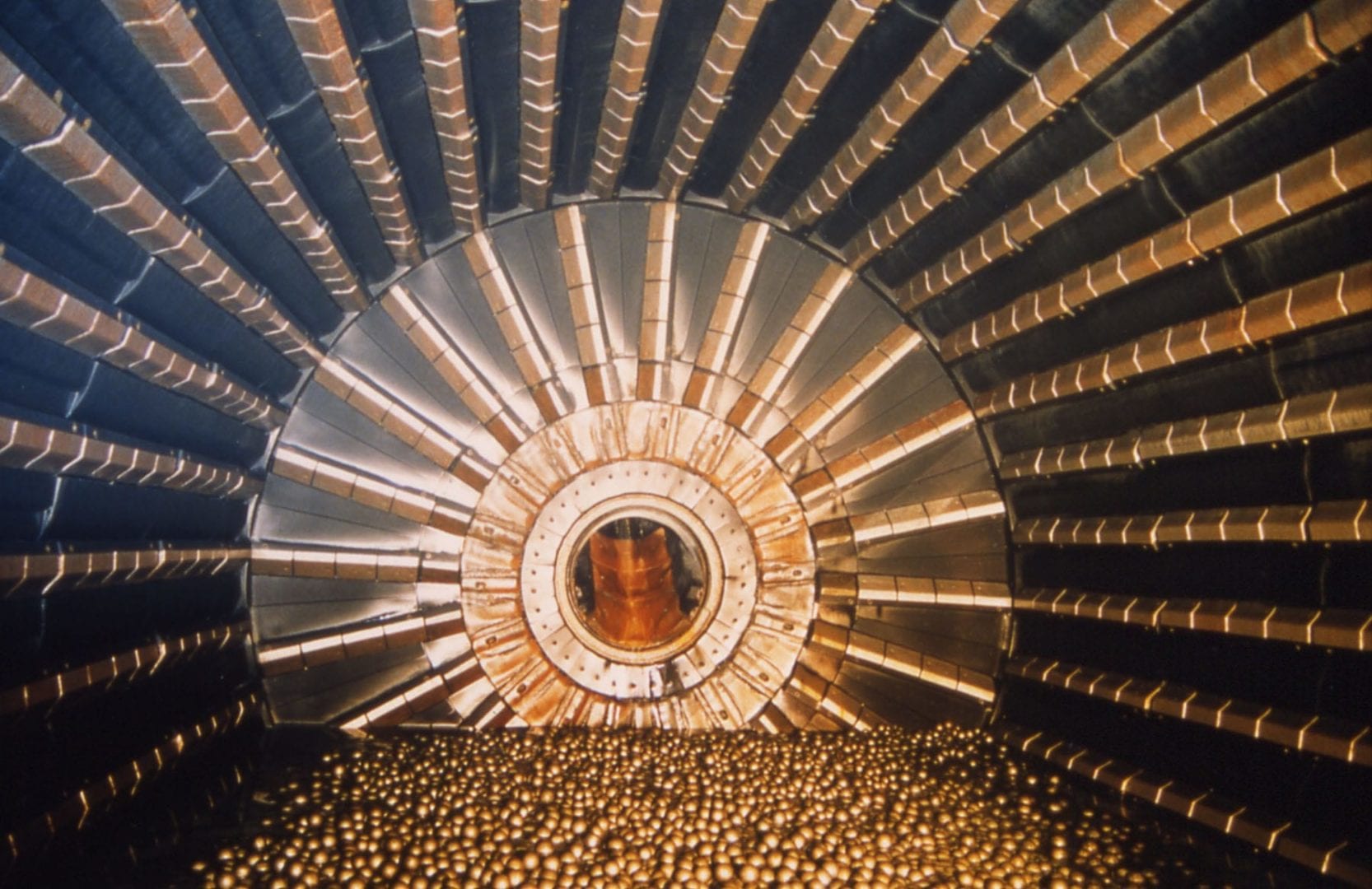
One of the largest components of Metso’s business, both globally and locally, is the supply of large-scale grinding and crushing equipment to the mining industry. The nature of the business requires an extensive network of foundries – support structures and comminution wear solutions for the group manufacturing various components and castings for the company’s extensive product lines. Situated in the remote Isithebe township, half way between Durban and Richards Bay, Metso’s South African foundry, Isithebe, was first founded in 1978 (under different ownership), and forms an integral part of the local company’s crushing and grinding business. “Up until recently, our core function has been primarily the manufacture of large manganese crusher wear parts for the Metso crushing business – to both the African and Australian markets,” explains Cameron Mather, Isithebe foundry’s GM. Considering Metso’s significant investment into its local foundry over the recent years, equipping the foundry largely with new and additional equipment, it was decided last year to expand the company’s service and manufacturing capability. “The result of a 2011 new-born strategy is the manufacture of metallic mill lining products in manganese steel, low-alloy steel and high chromium iron – for AG, SAG and ball mills. Unlike any other foundry-manufactured product, the mill linings will not only be manufactured for Metso’s product range, but will be sold to the industry for any mill in operation. Metso has been manufacturing rubber mill linings for decades, which is undertaken at its factory in Vereeniging. “There are very specific strategic reasons for adding this product to our foundry manufacturing offer,” says Dennis Farnworth, Metso’s rubber and synthetic wears regional sales manager. “Primarily because mining houses today require larger mills to increase their production volumes, even more so for low grade ores. This means that the correct liner design and material selection offer are extremely important to ensure an improved and optimum grinding performance.The ideal situation for Metso is having the ability to offer our clients the entire lining range. Sometimes rubber is the best solution, sometimes poly-met or steel, and sometimes even a combination of these.” Metallic-lined mills also offer:
- improved grinding performance
- increased wear life
- reduced downtime for replacement
- improved ergonomic conditions during installation
- reduced liner breakage risk and reduced grinding media consumption.
- Supply and service agreements – focus on core business
- Increased availability – revenue
- Potential capacity increase – revenue
- Reduced lining costs
- Improved environment/safety with rubber and poly-met linings
|
Foundry |
Annual capacity |
Maximum cast capacity |
Melting process |
Moulding process |
|
Sorocaba (Brazil) |
30 000 t |
30 t |
EAF |
Mechanised/mechanical |
|
Tampere (Finland) |
12 000 t |
45 t |
EAF/VOD |
Mechanised/mechanical |
|
Isithebe (South Africa) |
12 000 t |
12 t |
EAF |
Manual |
|
Slaverna (Czek Republic) |
13 000 t |
8 t |
EAF/IND |
Manual |
|
Ahmedabad (India) |
7000t |
5 t |
Induction |
Manual |
- 1979: Following a joint venture between Lennings Holdings (South Africa), Vickers (United Kingdom) and Vickers (Australia), Lennings Manganese was founded in Isithebe, KwaZulu–Natal.
- 1985: Rexnord certified Lennings Manganese as a supplier of manganese steel castings. Lennings was officially recognised as a worldwide source for manganese parts to the Nordberg Group.
- 1991: Scaw Metals took control of Lennings foundry.
- 1998: Nordberg took control of the Lennings manganese facility.
- 2001: Nordberg Lennings became part of Metso Minerals as Metso Minerals Isithebe plant.
- Land area: 55 950 m²
- Production area: 19 300 m²
- ICT programme: SAP GPS, also high fidelity simulation, solidifications simulation by Magma Soft
- Delivery lead time: six weeks
- On time delivery: 95%
- Smelting: 12 t electric arc furnace and four 1.5 MW electric furnaces
- Quality control: ISO9001:2008 and SANS 407:2008 (also chemical analysis, hardness tests, visual surface quality, ultrasonic tests, impact resistance, metallography, dimensions, strict temperature control on heat treatment ovens).

