


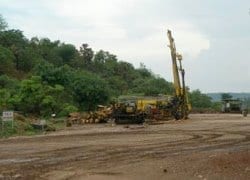
As part of Kogi Iron Limited’s pre-feasibility study at its Agbaja iron ore project in Nigeria, it aims to incorporate a phosphorous bioleaching process at the plant, the company reports.
An independent trial has indicated that bioleaching significantly reduced phosphorous levels in the Agbaja iron ore, which as the potential to increase the product price. The company has recently commenced Stage 2 phosphorous bioleaching investigative work for the Agbaja project.
Bioleaching is the extraction of specific metals from their ores through the use of bacteria, and has been successfully used in the minerals industry since the mid-1990s.
Bacterial oxidation specialist Tamsin Senders has joined Kogi Iron’s preliminary feasibility study team, and recently initiated bioleaching test work to confirming the findings of studies undertaken by the Nigerian University.
The test work is being undertaken by SGS South Africa in Johannesburg under the supervision of Senders.
Kogi MD Iggy Tan says the project’s mineralisation has a number of “unique characteristics” that makes it particularly amenable to bioleaching.
“The application of this beneficiation process will both broaden the market for the proposed Agbaja concentrate and, importantly, increase the net price received,” said Tan.

