


South Africa is one of ten ‘hot countries’ for shale gas projects, along with Algeria, Argentina, Australia, China, Poland, Russia, the UK, Ukraine and the US.
This is one of the outcomes of the International Guide to Shale Gas published by Baker & McKenzie as a resource for companies looking at global shale opportunities.
In addition to providing a regional examination of shale gas operations, the guide offers a unique analysis of local law and key contractual issues in the ten hot countries for shale gas projects.
Morné van der Merwe, a partner in Baker & McKenzie’s Johannesburg practice, says natural gas comprises only a small share of South Africa’s energy mix, leading to a reliance on coal for most of the country’s energy needs.
Energy Information Administration (EIA) estimates indicate that South Africa has 390 tcf (trillion cubic feet) of technically recoverable shale gas resources.
“This has been good news for South Africa, given our limited amounts of conventional hydrocarbon supplies,” said van der Merwe.
Since South Africa imports around 70% of its crude oil needs, shale resource discoveries could help it supply its own energy demand and re-industrialise the South African economy.
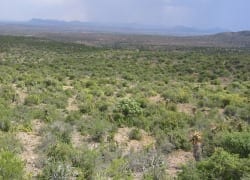
In September 2012, the South African Government lifted a moratorium on shale gas exploration in the Karoo Basin. Proposed regulations on hydraulic fracturing were published in October 2013 which require drillers to meet American Petroleum Standards.
The Minister expects to issue exploration licences for shale gas in the first quarter of this year. The following companies have applied for shale gas exploration licences for the Karoo from the Department of Mineral Resources:
- Shell
- Challenger Energy subsidiary Bundu Gas & Oil Exploration
- Falcon Gas & Oil (in partnership with Chevron)
- Statoil
- Chesapeake

