


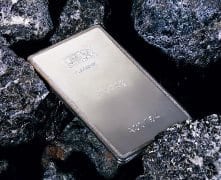
Whether platinum companies will sell their ailing assets comes down to a function of value and risk, and both mining companies and potential buyers will be crunching the numbers in weeks to come, says Andrew Lane, Energy and Resources Leader at Deloitte Africa.
Speculation has been rife as to whether strike-hit platinum mines in Rustenburg will be up for sale, particularly after a public expression of interest from gold producer Sibanye. Earlier this week, Bloomberg reported that South Africa’s largest gold producer, Sibanye Gold, said it was open to the idea of buying platinum mines if ongoing strike action causes Anglo Platinum, Impala Platinum and Lonmin to sell their affected assets. A near 11-week strike in the platinum belt has crippled the industry and cost the big three more than R10 billion in revenue. This has led to at least one producer, Anglo Platinum, saying it is considering whether to keep its Rustenburg-based platinum mines. “They obviously have in their heads an idea of the values of these businesses and if someone else can get more value out of them, they may sell, says Lane. “They [the mines] have been under performance pressure for a long time and given the current labour and social issues, mining companies will have to consider their earnings in assets going forward.” Turnaround plans Sibanye was formed in February last year after Gold Fields spun off most of its gold assets in South Africa. The young company has boasted solid performance, cutting costs and negotiating pay deals with unions. It grew profit 53% in the second half of 2013, and its shares increased 64% over the past year. Sibanye spokesman James Wellsted told Bloomberg: “Our future is in South Africa and there’s a lot of potential to replicate what we’ve done with the Sibanye assets in the platinum sector.”Lane notes that while there is clearly an opportunity to improve operational performance at the mines, it’s no easy task, particularly given the mines in Rustenburg are deep and difficult to work.
He adds that while there is potential for a buyer to improve value extraction, there are other issues to consider. “When they do their value calculation they will have to believe that they can reach an adequate solution around the labour situation.” Pain and gain The almost three-month strike is due to wage disputes between the mining companies and members of the Association of Mineworkers and Construction Union. The latter is demanding an effective doubling of basic salaries to R12 500, over four years, while the platinum producers have offered 9%. The strikes have affected 40% of world production, and each day they drag on results in R67 million not spent on goods and services by the mines, and R88 million not paid in daily wages, Lonmin CEO Ben Magara said in a statement last week. Lane believes the parties involved will have to break the impasse soon. “Sooner or later they’ll have to realise that if they don’t get it right, they’re all going to lose. Something has got to give. Ultimately, it’s about how much pain they are willing to go through, and who has the highest pain threshold.” Platinum prices dipped on Monday, losing more than $20 an ounce, despite the production squeeze the strikes have created. Demand from the automotive industry and renewed investor interest, however, are likely to push the price back up, reports Mining.com.
