


Many firms in the US were still unable to confirm whether their products contain minerals thought to fuel armed conflicts in central Africa, after being given a two-year warning by regulators to disclose this possibility.
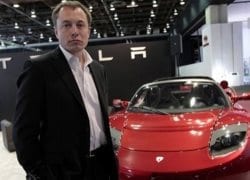
US premium electric-car manufacturer Tesla Motors, founded by South African Eon Musk, stated this week it was finding it difficult to determine whether this applied to some of the raw materials used in building its all-electric cars. This is owing to the complexity and scope of the global supply chain, Tesla said in its US Securities and Exchange Commission (SEC) filing this week. Dodd-Frank legislation Companies like Tesla and Hewlett-Packard are required to disclose their efforts to identify sourcing of so-called conflict minerals from the DRC and its neighbours under a section of the Dodd-Frank legislation in the US. The law was designed to increase supply chain transparency and give shareholders and consumers information to encourage companies to procure materials more ethically.The US published its first reports on the use of conflict minerals on Monday, and many companies took advantage of a provision that allows them to say they don’t know where the metals originated.
The rule, issued by the SEC in 2012, seeks to keep armed groups in the DRC from benefiting from the export of gold, tin, tungsten, or tantalum. Foreign payment disclosure The SEC ruling, which came into force Monday, also requires companies to disclose payments made to overseas governments to develop natural gas. Apple, Intel and Hewlett Packard are some of the tech giants that have filed in-depth reports on the issue, while many other large size firms, in the manufacturing industry filing vague reports on their knowledge of conflict minerals used in their products, according to US reports.
