


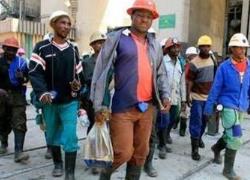
Platinum producer Lonmin aims to cut around 5 700 jobs in South Africa and unions have reacted with non-surprise at the news, according to reports on Monday.
Lonmin’s plans to cut about 21% of its workforce in South Africa was part of a drive to restore profits after a five-month wage strike this year, Reuters Africa reported. “We were waiting for something like this to occur. We are not surprised,” said trade union Solidarity’s general secretary, Gideon du Plessis. “We were told during negotiation that retrenchments are imminent. The company has not formally consulted with us with its plan to cut jobs. We only picked it up on the news,” Du Plessis said, according to a SAPA report.Unions unaware
The dominant union at Lonmin, the Association of Mineworkers and Construction Union (AMCU) also said it was not aware of the planned job cuts. “We are not aware of this,” said national treasurer Jimmy Gama. The National Union of Mineworkers (NUM) said too it was not aware of the impending retrenchment.“We have not been consulted about it. There has not been formal engagement,” said NUM general secretary Frans Baleni.

