


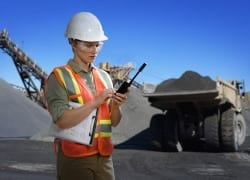
In mitigating the risks associated with mining activities, clear, efficient and controlled communication is imperative, according to professional radio communications provider Emcom.
Much like cellular technology, radio has seen the introduction of devices that go beyond voice communication and now integrate data and other applications into one device, says Tony Sipho Sibanda, Business Development Executive for Emcom Wireless.Orkney quake
Just recently South Africans were shocked with the 5.5 magnitude earth tremor that shook large parts of the country, causing one death and the evacuation of thousands of miners from the Great Noligwa and Moab Khotsong mines in the North West province. Sibanda says in such an event mine managers want to know where every personnel member is at that exact moment, their status, whether they are secure, trapped or injured and what resources are available and can be deployed to attend to them.Digital radio
With the change to Digital Mobile Radio (DMR), Sibanda says miners have a lot more applications and services available than with the traditional analogue radios. “Recording and tracking now allows a replay of incidents to recreate scenes and better prepare for the future. With real-time tracking and sensors on the handsets, you can even see whether a person is standing, lying down or sitting in an upright position,” he explains. “You can further integrate technologies like Bluetooth into radio to interface with devices like heart rate monitors to monitor, in real-time, the breathing and heart rates of users.”Seismological events
While tremors such as these are not frequent occurrences in South Africa, seismologists did warn that, due to the effects of mining in the country, frequent seismological events such as this can be expected, states Emcom.Often incidents snowball and escalate to crisis, if not managed and controlled on time and information is the critical link that enables the correct decision and action to be taken on time to avoid and manage a crisis, notes the company.
To this end, management and workers need a seamless flow of information and data to stay in control of operations and deal with the variable situations as they arise.
