


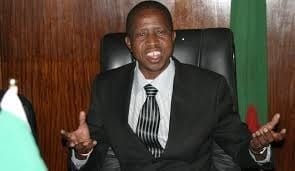
After weeks of political wrangling and tension Zambia has elected Edgar Lungu as their next president. Lungu was sworn in on Sunday as Zambia’s new president, overcoming a close political challenge and divisions within his own Patriotic Front party to secure a narrow majority. This result has set the stage for more negotiating between the government and the powerful mining firms that drive its economy. Lungu has said he will maintain the new mineral royalty tax despite fears that it could lead to mine closures.
The ElectionsLungu won the tight race with around 27 000 votes, making this one of the narrowest wins the country has ever seen. The President’s first order of business will be to carve a new course for the divided country, which is struggling under the burden of suppressed global prices, amid disagreement with mining companies over a litany of tax disputes. The Future for Mining
Former President Micheal Sata was elected in 2011 on a populist pledge to recover more mining revenue and counter tax evasion. During his time in office Sata endorsed a flurry of contradictory mining policies. “Inconsistency in the mining policy of this government has frustrated a lot of investors,” said Nevers Mumba, a former pastor and vice president who came in fourth in this week’s elections with just a fraction of the votes that Mr. Lungu secured.
Lungu’s victory offered an unsettling prospect to some investors who say the political party’s frequent policy changes have made tapping Zambia’s ample deposits of copper and cobalt a losing prospect. In January, the government raised mining royalties to as much as 20 percent of revenue, from 6 percent.
In the same breath global copper prices have tumbled to five year lows on declining demand from China. Zambia’s currency has plummeted to record lows as a result. Zambia’s Chamber of Mines said last week that nine of the country’s 11 top copper mines are operating at a loss, thanks to low prices and the anticipated impact of the higher revenue royalties. The Chamber urged the government to scrap the higher levies.
