


Gone are the days when mines in Africa could afford to ‘go it alone’ by building their own infrastructure, according to global engineers and scientists SRK Consulting; survival and growth now needs a foundation of collaboration with governments.
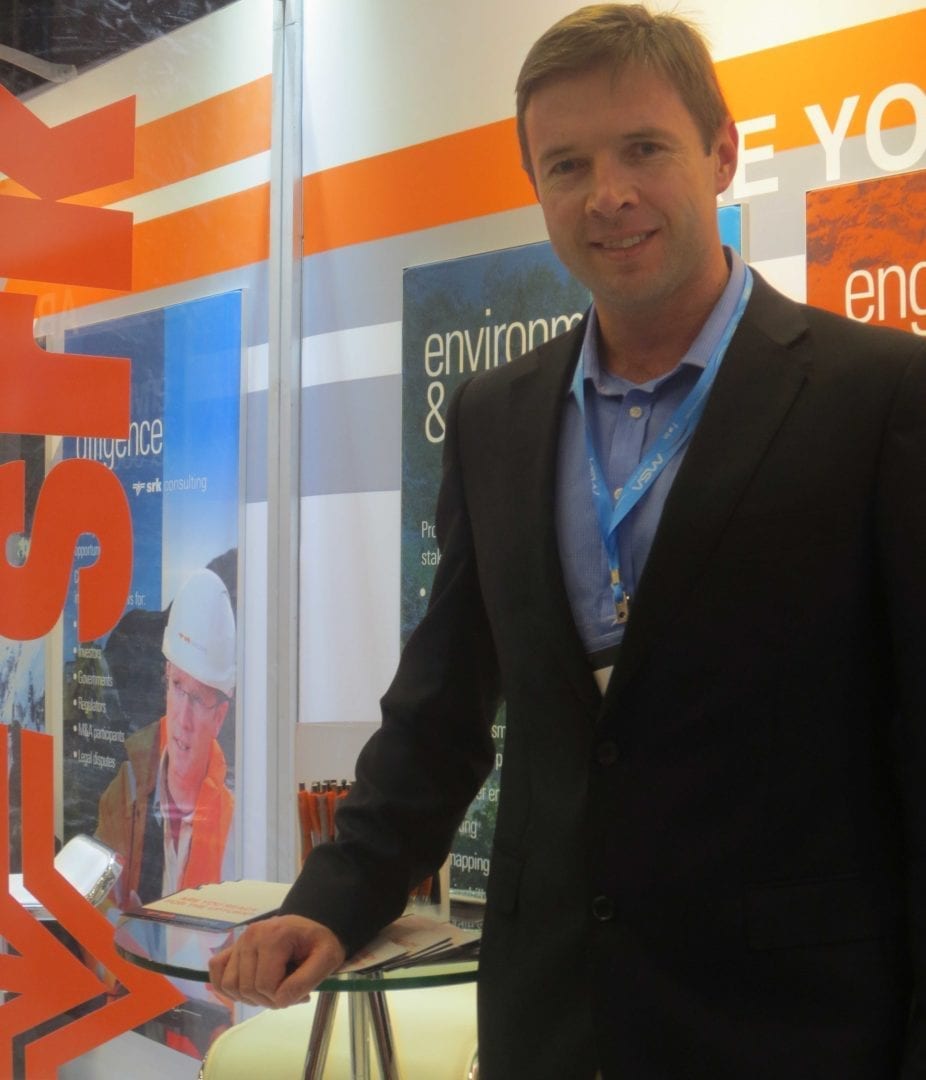
Andrew van Zyl, SRK partner and principal consultant at the Investing in African Mining Indaba 2016.
“Planning infrastructure with a number of stakeholders, however, is more complicated and takes much longer – as negotiations must deal with various legal and technical details,” he said. “So the time to start talking is now – ideally with mining companies looking at growth opportunities within existing regional or national development initiatives.”
The other benefit of this collaborative process is that it could include stakeholders like communities, who also stand to benefit from infrastructural and mineral projects. Furthermore, increased competition for land, water and energy resulting from economic and population growth will make it harder for companies that do not take a more collaborative approach. “A more cooperative approach ensures that different parties engage early on in the conceptual planning process, before there are firm plans or financing in place,” he said. “This feeds a vital requirement for mines: helping them build their social licence to mine and thereby mitigate what has become a key risk to companies in this sector.” SRK’s recent work for the government of Cameroon showed the value of multi-stakeholder partnerships, said Van Zyl, allowing legal, technical and other issues to be addressed at length and by experts in each relevant field – with each party ensuring that their constituents received value from proposed developments before they were pursued.
