


Trump’s stance and geopolitical views – which he has been very clear on – namely a more “independent”, isolationist US, if they become policy, could push investors into less riskier markets, and isolate the countries international trade, said the investment firm, Nomura.
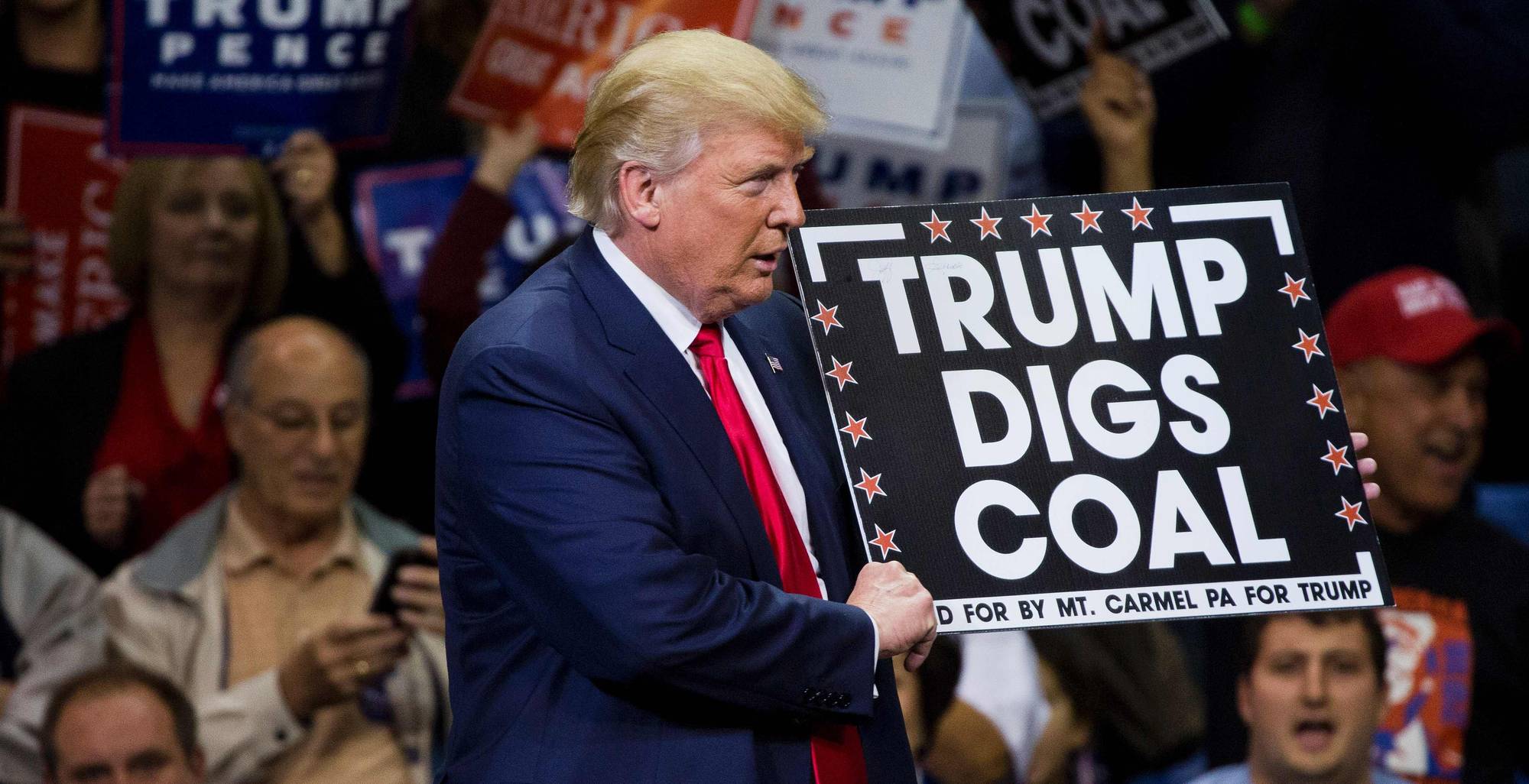
Trump said during an energy policy speech, “We’re going to save the coal industry and other industries threatened by Hillary Clinton’s extremist agenda. Any regulation that is outdated, unnecessary, bad for workers or contrary to the national interest will be scrapped.” According to Xavier Prevost, senior coal analyst, XMP Consulting, if the new President does what he intends with the US coal industry, that is, supporting the industry against the onslaught of environmentalists, then there could be a “revival” of coal in the US, with a huge impact in the US and the rest of the world. “This could mean better times for coal prices, but only if, as a consequence of new US policies, the rest of the world especially the Asian market re-thinks their environmental policies,” Prevost said. What does this mean for SA For South Africa, a country with its own coal woes, the exposure to markets such as the US and the UK compared to the exposure to Asian markets, who are massive coal producers, is somewhat limited, according to Nomura, but it is not immune to the fallout of big moves in those countries. The main reason why there is a slump in seaborne coal prices, adds Prevost, was that the US coal was “dumped” in large tonnages to the international market, a reversal, coal being used more in the US, could cause a sudden rise in worldwide prices affecting all producing and exporting countries, including South Africa. “Whether this produces a positive change in South Africa depends mainly in the country’s government decisions on the forth coming legislation arranged for coal producers and users.” Prevost notes that the price of thermal coal has been increasing since January 2016, reaching about a >50% increase. Since markets are still weak, this increase is not sustainable and the latest forecast indicates a decrease from January to December 2017 to reach price levels that are close to those of April 2016.
