


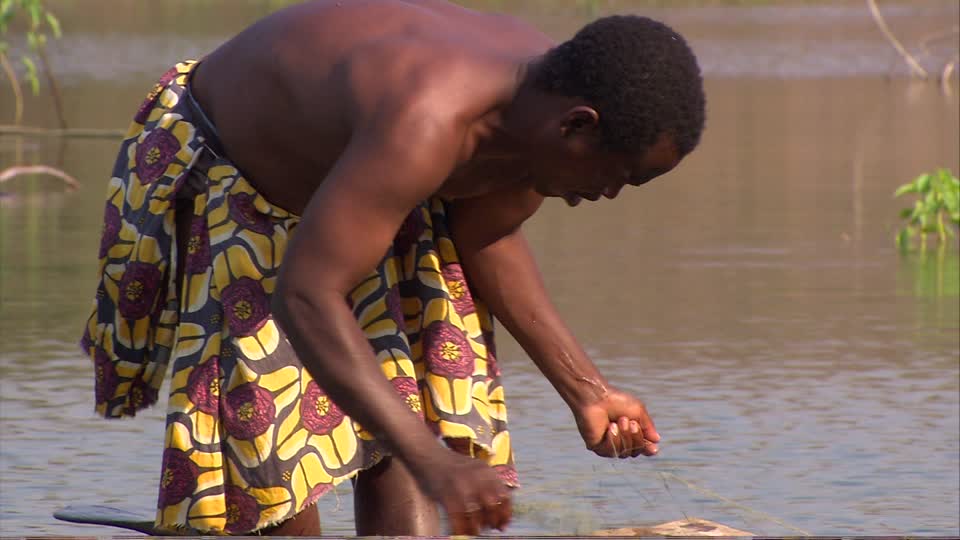
 Zambia’s fish deficit has become so high that Canadian mining company, First Quantum Minerals, has joined the industry.
The mine first released 6 000 fingerlings in 2013 to start the fish populations, and a further 30 000 in 2015.
“There is a national fishing ban in Zambia from 1 December – 1 March, to allow fish to breed. We did our big release at the beginning of the fish ban with the request that communities would observe the ban and allow the fish to settle. They did that for the most part. We are about to release another 30 000 fingerlings with the same proviso,” said Dorian Tilbury, wildlife and conservation coordinator, Tilbury Kalumbila Trident Foundation. Zambia’s fish deficit stands at 55 000 metric tonnes, with the country currently producing 80 000 metric tonnes of fish from rivers and lakes, and 20 000 metric tonnes from aquaculture altogether, making 100 000 tonnes in total. The World Fish Center also notes that throughout the developing world, the fisheries sector provides the basis for the livelihoods and nutrition of millions of people, and constitutes a significant source of foreign exchange for many developing economies. “Despite its considerable contributions to development, however, it is often not seen as a priority sector by policy-makers or donor agencies, and activities such as aquaculture are frequently seen as relatively low-priority for the allocation of scarce resources such as water,” said a spokesman.
