 Poor participatory processes during Environmental Impact Assessments (EIA) and weak governance over mining development in Mpumalanga is causing loss of environmentally sensitive tourism and conservation areas.
According to a series of recent published journal articles conducted by the University of Johannesburg’s (UJ) Department of Tourism, EIA for mining development are conducted as tokenistic tools to approve developments, rather than to genuinely engage with the concerns of all stakeholders.
The research, which investigated governance processes and participation during EIA for mining development in the Dullstroom, Mpumalanga region – known for its natural environment – noted that despite the advent of democracy, which witnessed government’s progress in developing legal frameworks to manage mining development and include citizens in decision making processes, this has been unsuccessful.
According to Professor Llewellyn Leonard from UJ – who led the research into mining development in Mpumalanga, “Despite improvements in environmental regulations, it is unfortunate that our research suggests that mining development in post-apartheid South Africa is conducted as a priority by the Department of Mineral Resources (DMR) for economic development with a disregard over environmental protection and democratic processes to engage with citizens.”
Peter Arderne, Director, Dullstroom Trout Farm said that there was a need for better enforcement of regulations, but that the capacity of government was limited with both the DMR and the Department of Water and Sanitation being under-resourced and unable to carry out their functions effectively.
Arderne noted that, “local communities and civil society groups have to put a lot of pressure on government to get them to enforce the legislation.”
According to Peter St Clair, a resident in Dullstroom and chairman, Dullstroom Ratepayers Association, referring to the mining EIA conducted in the area, “The EIA process is vital because it gives everybody the opportunity to make their comments. However, the mining companies and consultants abuse the process and do not consult properly or give the proper notifications to get the process approved.”
Dr Koos Pretorius of the Escarpment Environmental Protection Group (EEPOG), which opposes mining development in important biodiversity areas said, “There is a need for mining consultants to not view the public participation process as a box ticking exercise just to get their mining application approved. There is a need to genuinely engage with public concerns and address these during public consultations.”
The research conducted by UJ revealed a number of other complex factors that influenced governance and participation for mining development such as lack of government human resources, the ruling party promoting mining for social and economic upliftment, collusion between government and industry, and the DMR domination of decision-making to promote mining, limiting co-operative governance.
Regarding EIA more specifically, the research suggests that there is a need for environmental consultants to be impartial during assessments, including the independence of government as regulator and enforcer of environmental assessment processes, rather than spearheading mining development for economic development.
This would better ensure protection of environmental heritage and environmental sustainability for future generations as enshrined in the South African constitution.
No government officials contacted during the research responded to interview requests to assist with data collection.
-News24
edited by Phila Mzamo


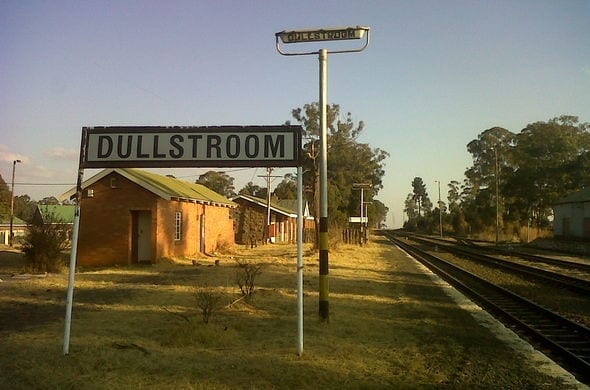 Poor participatory processes during Environmental Impact Assessments (EIA) and weak governance over mining development in Mpumalanga is causing loss of environmentally sensitive tourism and conservation areas.

