


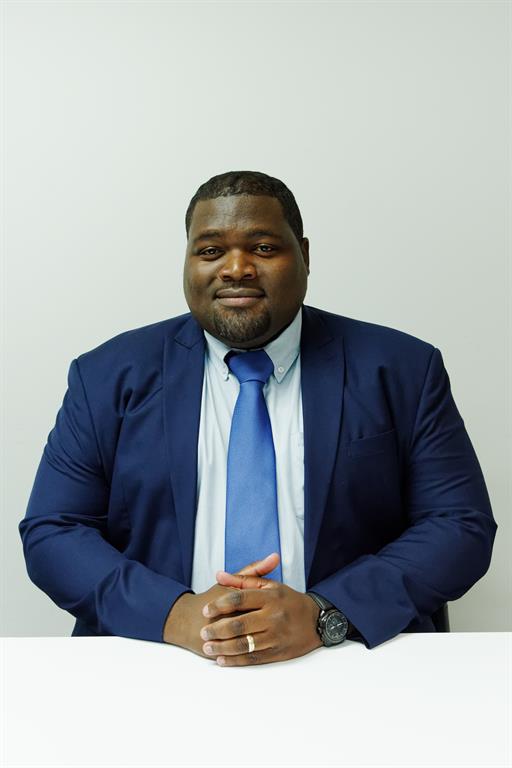
 The Skorpion Zinc mine in southern Namibia, which is the only integrated zinc mine and refinery in Africa that fully beneficiates its natural resource from ore to zinc metal, is in the process of ramping up its mining activities and upgrading its equipment and plant to produce 150 000 tonnes of ore body on an annual basis.
The mine recently invested US$200 million to extend its life of mine until 2021, where N$100 million has already been invested during the last two years strictly for the maintenance of its production and refinery plant. This is after initial business models suggested that the mine would have to close in 2015.
While the mine has a full production capacity of 150 000 tonnes of refined zinc metal, assuming all inputs are in place, it only utilised 65% of its total capacity during the last financial year when it produced approximately 85 000 tonnes.
According to the general manager of the mine, Irvinne Simataa, the mine aims to produce up to 91 000 tonnes during the 2017/18 financial year.
“Our journey now is to ramp up the plant to 150 000 tonnes capacity in the near term and 200 000 tonnes long-term,” said Simataa.
Simataa added that zinc is currently doing well on the international base metal markets but warned that because the markets are cyclical, the mine should seize the opportunity to capitalise on its product while it can.
The current international market price for zinc is about US$3 000 per tonne but Simataa cautions that a significant drop in the price can be anticipated in the new year.
“We are quite bullish in our project approach but we do acknowledge that current zinc prices are not sustainable,” he said.
Further commenting on the expected lifespan of the mine, Simataa noted that operations could extend beyond 2021 and also did not rule out the possibility of transforming mining from the current open-pit method to go underground.
“Our (exploration) drilling efforts have increased two-fold. Within the next 12 to 15 months we will know if there is merit to go underground,” Simataa revealed.
On the refinery side of the mine – which produces 99.995% pure zinc ingots, but currently only processes oxide ore – Simataa said the mine’s management is considering converting the refinery to co-process sulphide ore as well.
If approved by management, the conversion could require an additional investment of about US$160 million in about three years but this will enable the refinery to process ore from other zinc mines in the country and in the region.
“We need to finalise our decision soon regarding the conversion of the refinery. We are looking beyond our mining operations and eventually want to become a custom zinc smelter. This is in line with government’s thrust of local beneficiation,” he said.
Challenges experienced at Skorpion
Simataa said one of the biggest challenges experiences at Skorpion was changing the mindset of employees.
“What we have told employees is that we cannot guarantee job security. However what we can guarantee them is invaluable experience at one of the most innovative, technological advanced mining and refinery operations on the continent and in some cases even in the world. It has taken some time to change the mindset of our employees but through constant and open dialogue we have been able to do just that,” he said.
Another challenge for Simataa and his team is the water in the mining area as Skorpion is already mining 70 metres below the water table and envisages an additional 100 metres.
Simataa explained that currently the mine pumps out 600 cubic metres per hour in order to mine the zinc ore. Additional challenges he mentioned include geological and chemical complexity of the oxide as well as pit slope stability, which is being closely monitored by radar and other sophisticated technology.
“In line with our envisaged legacy of innovation, growth and excellence, the team and I are left with solving old problems with modern technology and thought. Key among these have been the breakthrough on the treatment of calcium ore screening, material handling as it relates to wet ore,” he said.
-AllAfrica

