


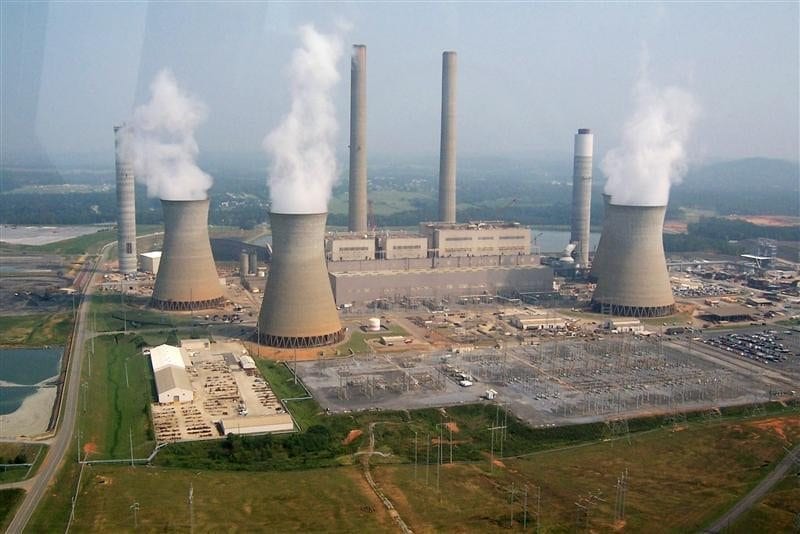
 Despite the increased outcry from environmentalists towards addressing the urgent threat of climate change – both in South Africa and abroad – the South African government has given controversial Thabametsi coal plant the green light.
According to Elana Greyling of ELA, the consulting group, EOH Coastal and Environmental Services’ (EOH) peer review of the coal plant confirms that the risks of harm are very high – pointing out that the climate change impact assessment should have classified the GHG emissions impact as “very high”, rather than “high”. She notes that the review goes on to say that “emissions risks are very high and water scarcity risks are high and … the very high GHG emission levels associated with the project implies a high social cost.”
Despite this, EOH claims that this does not necessarily present a fatal flaw, provided the benefits are justified and can be motivated. This decision comes at a time when South Africa is revising its IRP and with a growing body of research from institutions such as Meridian Economics and the Council for Scientific and Industrial Research, showing that no new coal power capacity is needed in South Africa Greyling added that government’s reason for allowing this project is that it would be aligned with the IRP 2010. She said however that to a reliance on an extremely-outdated document that is under review could never be a sufficient justification for a project that could cause irreversible damages to the air, water, and climate. “South Africa’s electricity needs can be met – at least cost – with renewable energy, which does not have the climate, health, and water impacts of coal plants. “The IRP 2010 does not reflect South Africa’s current electricity reality – the country currently has surplus electricity capacity and renewables are now much cheaper than coal-based electricity,” concluded Bobby Peek of groundwork. ELA will be returning to the courts to challenge the government’s decision.
