As the most transformed business in its class
of original equipment manufacturers (OEMs), Spartan-based vibrating equipment
specialist Kwatani achieved Level 1 B-BBEE status in January 2019 by becoming 51%
black women-owned.
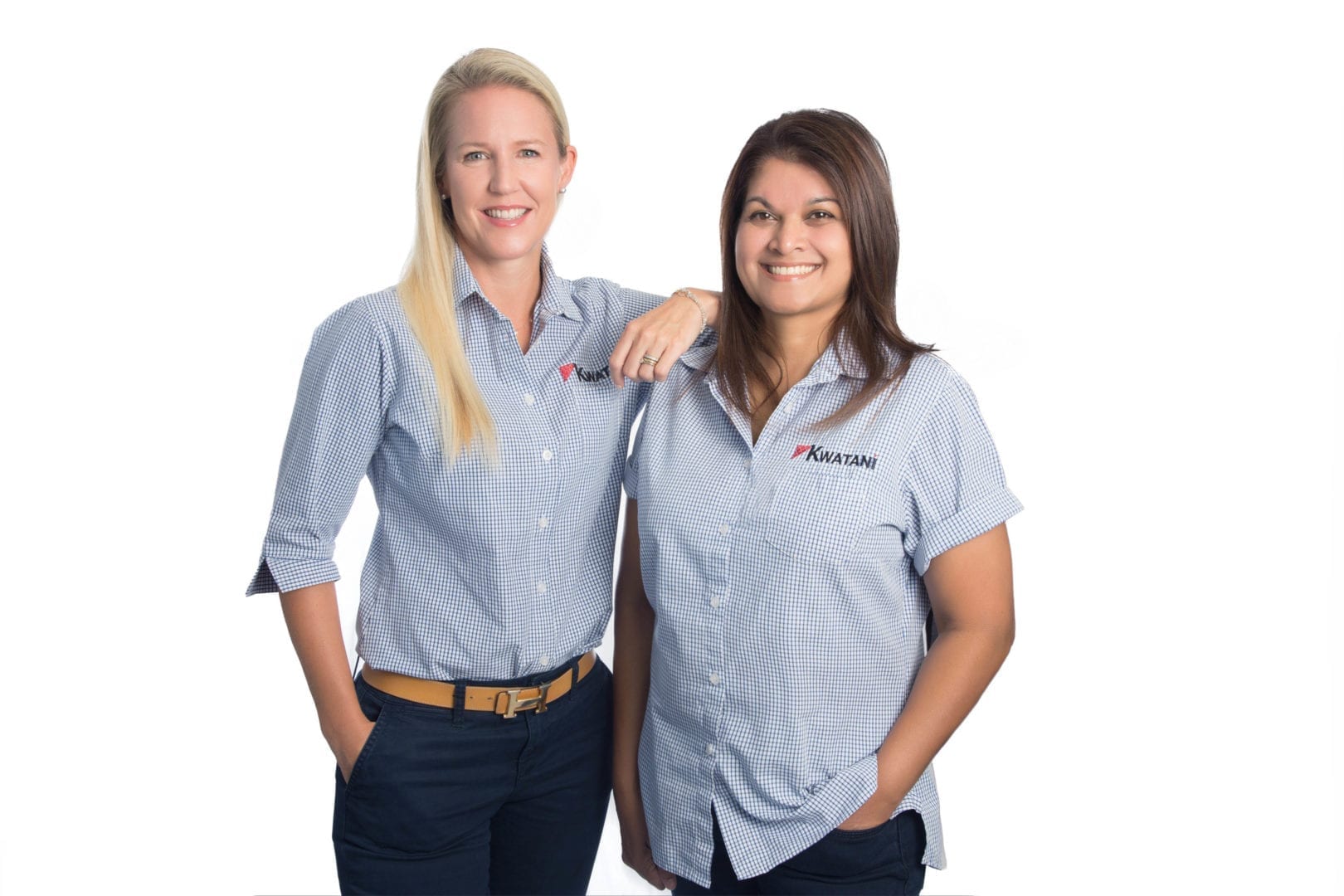
According to Kwatani CEO Kim Schoepflin, the
new black and female shareholding offers a sustainable partnership with entrepreneurial
passion and a vision to create value; the total female ownership of the
business has now reached over 63%.
“This level of transformation is of huge
benefit to mines in terms of their compliance with the Mining Charter,” says Schoepflin.
Kwatani now provides its customers the maximum possible procurement points with
135% of claimable spend. She explains that this is an enormous advantage for
the industry as each Rand spent will also be fully recognised under the
category of black owned company and black women owned company spend.
“The Charter also requires that 70% of mining goods
procured by mines must be locally manufactured, and we rate strongly on this
score.”
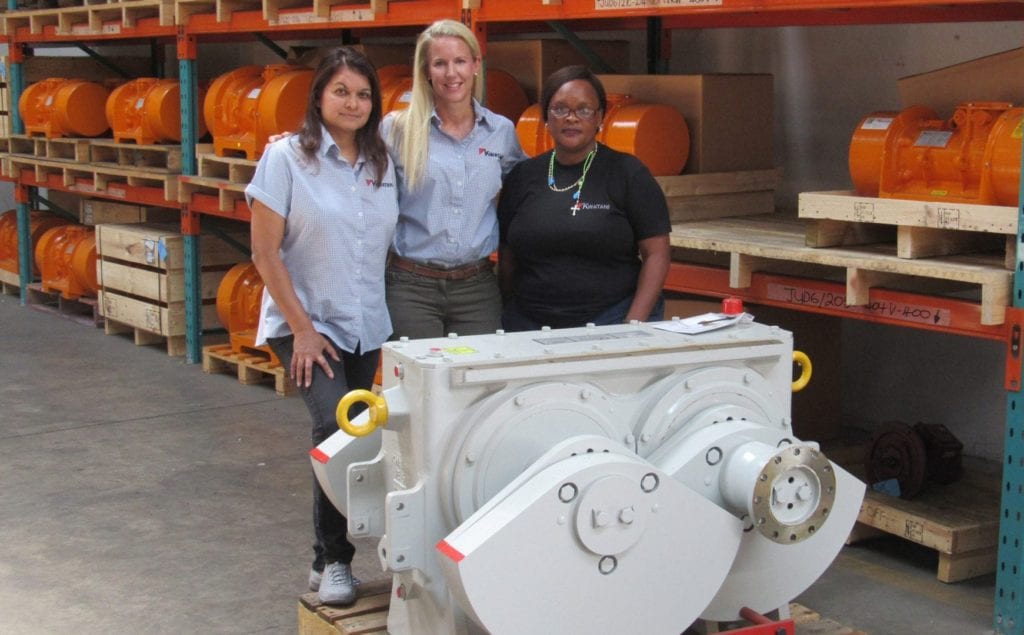
She highlights that Kwatani has been supplying
the African mining industry with vibrating equipment for more than 40 years,
with tailor-made products engineered and fabricated in-house to suit customers’
specific application and processes.
“We have invested significantly over the
decades in our facilities and our staff, expanding our manufacturing capacity,
technology and expertise to become world class,” says Schoepflin. “What
differentiates us in the local vibrating equipment sector is that we are the
only OEM that is completely independent of any overseas company. Our technology
and products are South African, and we import very few components or material.”
Most of Kwatani’s raw materials are sourced
from within 10 km of its headquarters in Kempton Park, and all key production
processes are in-house. The company’s supply chain contributes importantly to
its B-BBEE score and is actively fostered by working collaboratively with
suppliers on their respective transformation efforts and by procuring from and
supporting the growth of small businesses.
“This demonstrates our commitment to the local
economy and to advancing business opportunities within South Africa,” she says.
“It also allows us to control quality more closely, and to improve our lead
times on the equipment we build and refurbish, while being somewhat shielded
from fluctuations in the value of the Rand.”
She emphasises that keeping abreast of latest
technologies has required the company to constantly upgrade skill levels
through extensive training that optimises the value of its productive assets. As
an independent OEM, Kwatani invests heavily in its own research and development
into engineering technology and fosters the skills to apply this research in
its value-adding products and services. It has also earned the ISO 9001-2015
quality accreditation, one of only 5% of South Africa’s manufacturing companies
to achieve this to date.
“Our commitment to transformation extends to internship
programmes in collaboration with universities to advance young black engineers,
as well as a training and placement programme for disabled persons,” she says.
“Our social contribution focuses on education, supporting black teachers in
maths and science.”