TSX-listed
Diamcor Mining reported that the success of its first tender and sale in the company’s
third fiscal quarter represents the positive impact of the company’s new
operational management team.
For the fiscal
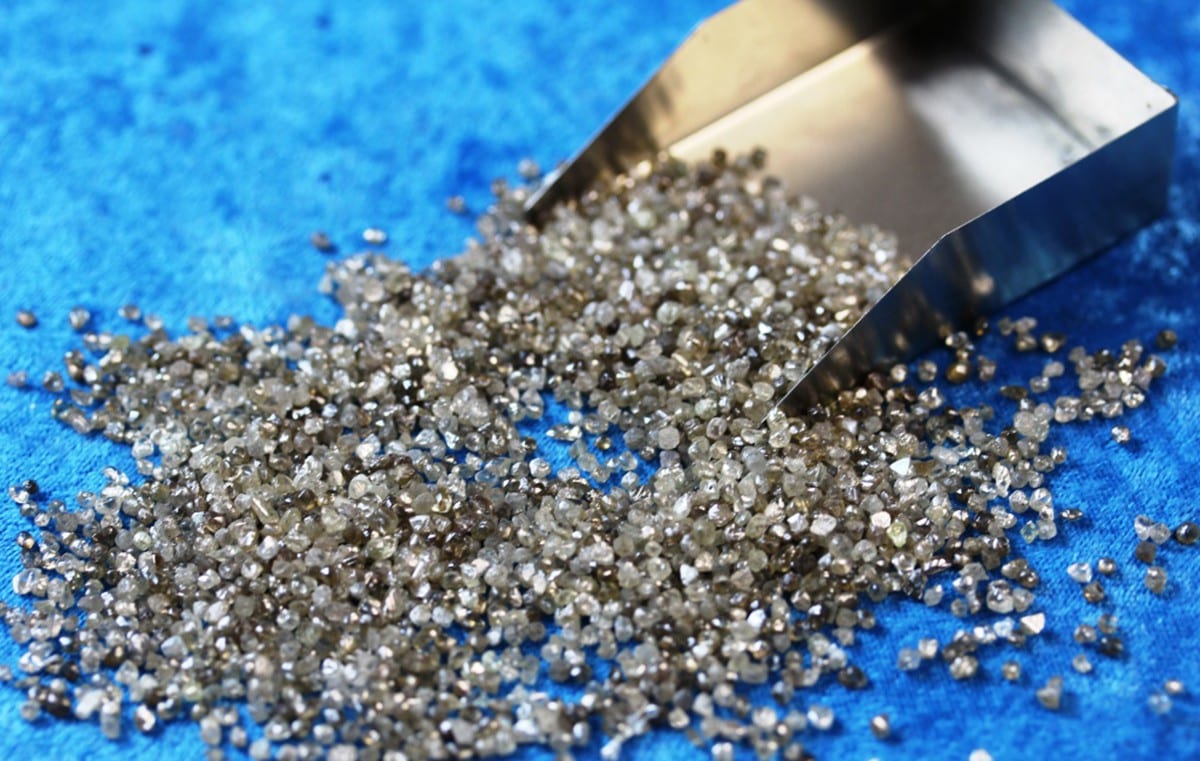
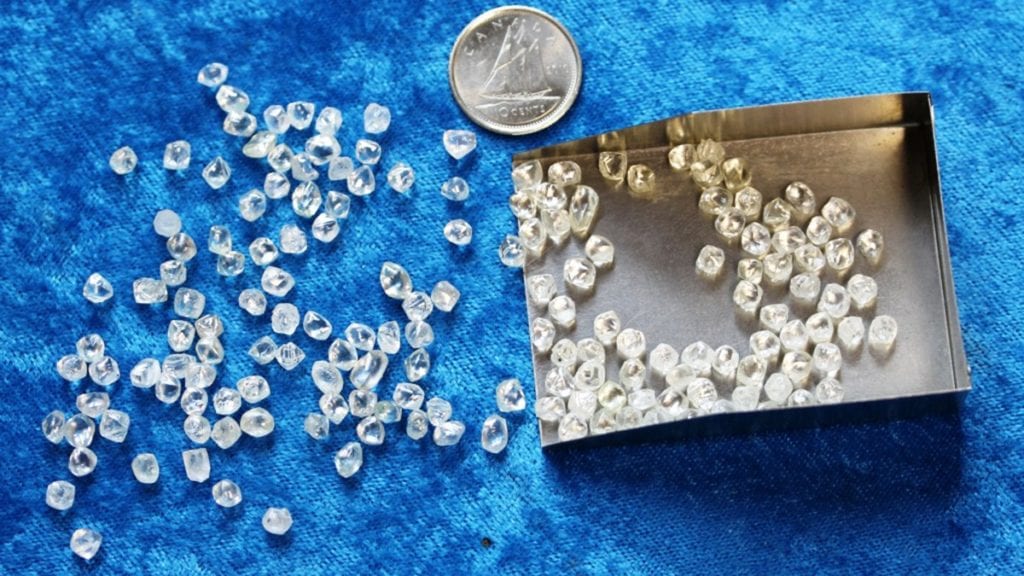
quarter ending December 31, 2019, it sold 4 033.01 carats of rough
diamonds.
Diamcor Mining is a fully reporting publicly traded junior
diamond mining company and has a well-established operational and production
history in South Africa and extensive prior experience supplying rough diamonds
to the world market.
Diamcor CEO Dean Taylor added that it was further confirmation of the exercises being performed to remedy past operating deficiencies and implement enhanced long-term operating practices and procedures at the Krone-Endora at Venetia project.
The company
has delivered an additional 6 369.00 carats, which it expects to sell at a second
tender in Antwerp in November.
A final
tender of the company’s third fiscal quarter is tentatively planned for
December. The total rough diamonds expected to be delivered and tendered
in the third fiscal quarter represents an increase when compared to 3882.82
carats delivered and tendered in the second fiscal quarter ended 30 September this
year.
“As part of the evaluation and analysis underway, the processing of historical tailings and previously stockpiled material is expected to continue for the coming weeks,” the company stated.
It said that the exercises underway are also expected to provide the short-term benefit of reducing operating costs associated with heavy equipment and fuel, and will support the planning underway for the deployment of new larger equipment in the near-term to support the planned increase in processing volumes at the project with the resumption of normalised quarry mining operations.
The 4 033.01 carats of rough diamonds sold in the first tender of the current quarter generated total gross proceeds of US $424,072.44, resulting in an average price of $105.15 per carat.
The company anticipated this lower than historical average dollar per carat in the tender due to the expectation that a higher percentage of smaller, lower quality rough diamonds may be recovered during the exercises being performed.
Price weaknesses in certain categories of the rough diamond market also contributed, to a lesser extent, to the lower dollar per carat average achieved. However, the company remains confident the average price per carat will improve to historical levels as the processing of mined material begins through the refined processing facilities.
“Despite
the percentage of smaller diamonds recovered from the current exercises,
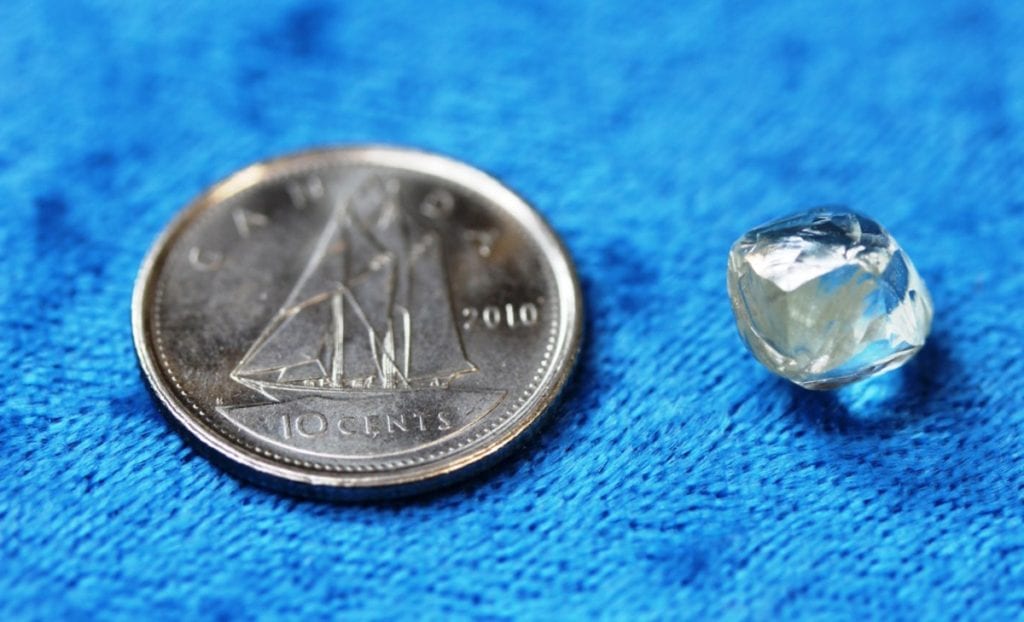
various larger gem quality rough diamonds in the +2.0 – 10.0 carat range also
continue to be recovered. The recovery of these sizes of rough diamonds
continues to confirm the issues associated with previous processing operations,
and the potential for improved results as mining operations return to the
processing of material from the quarry.”
Taylor said:
“I continue to be very pleased with the results being delivered by our new
operational management team. The current results clearly demonstrate that
many of the historical issues hindering operations have been corrected, so our
focus can shift from assessment and refinement, to the preparation for our
return to the mining of material from the quarry at increased volumes.”
He added
that considering that the results from current exercises are the result of the
re-processing of material previously processed and stockpiled, the company is
very optimistic given that, effectively, these results can be combined with
historical recoveries and results associated with the same material for
planning purposes going forward.
Further, the company has appointed Kurt Petersen as MD of operations for South Africa. Petersen has 20 years of experience in the diamond industry and extensive knowledge and experience in the areas of process modelling and simulation. He has worked with and consulted to some of the diamond industry’s leading companies and is highly regarded and experienced in the design of diamond plants, as well as the optimization of recovery performance and operational processes.