


By Simon Norton
Historically, mining hasn’t always had the best reputation when it comes to looking after the environment, its workers, or the communities in which it operates. Justifiably so too. Around the world, mining activities have contributed to tailings dumps, loss of biodiversity, and the contamination of soil, groundwater, and surface water. At a societal level, the impact of South Africa’s mining industry on mineworker health and safety has had to take a great leap forward as society demands responsible and ethical mining practices. As the industry comes to terms with its impact on both people and the planet, mining companies are adopting new, more sustainable approaches. South Africa is no exception, with several miners taking world-leading approaches to environmental and community sustainability. Were these practices to be adopted by the industry as a whole, it wouldn’t only benefit the environment and local communities, but also contribute to mining’s long-term viability.A vital industry
While mining might not have quite the same heft in the South African economy as it once did, it is still a vital industry, accounting for the majority of exports and employing nearly five percent of the country’s workforce. 465 000 staff directly employed by the mining industry support 4.5 million dependents and makes a massive R335 billion contribution to South Africa’s GDP.
Environmental sustainability
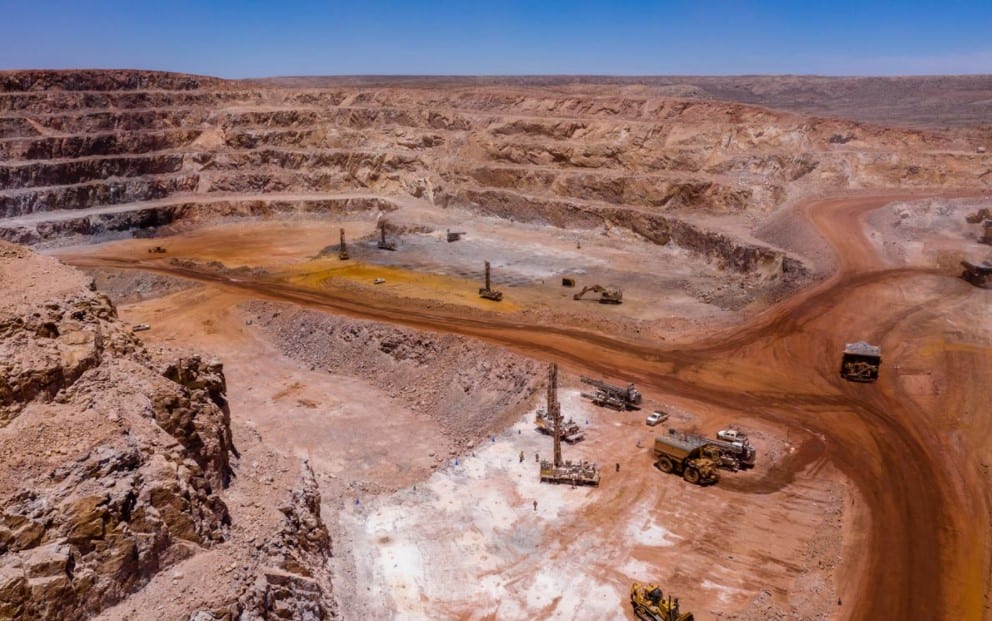
Vedanta’s Gamsberg project (and, indeed, its nearby Broken Hill Deeps operation) also show what is possible environmentally.With the mine situated in the delicate Succulent Karoo Biome, the company took an approach that it describes as going “beyond compliance” in setting up the mine.
Where possible, alternate locations were found for access roads, waste pits, and processing facilities in order to limit damage to the environment. Additionally, sensitive areas were fenced off and demarcated, 77 000 plants were translocated for use in concurrent rehabilitation. Ultimately, once mining ends and the area’s surface is restored, these plants (together with some 360 000 seeds) can be replanted. Finally, 40 000 hectares of land with similar topographical features were identified to be used as an offset area. This kind of approach marks a stark break from the kind of rehabilitation practices previously practiced by the mining industry, which tended to focus on a small number of species.
