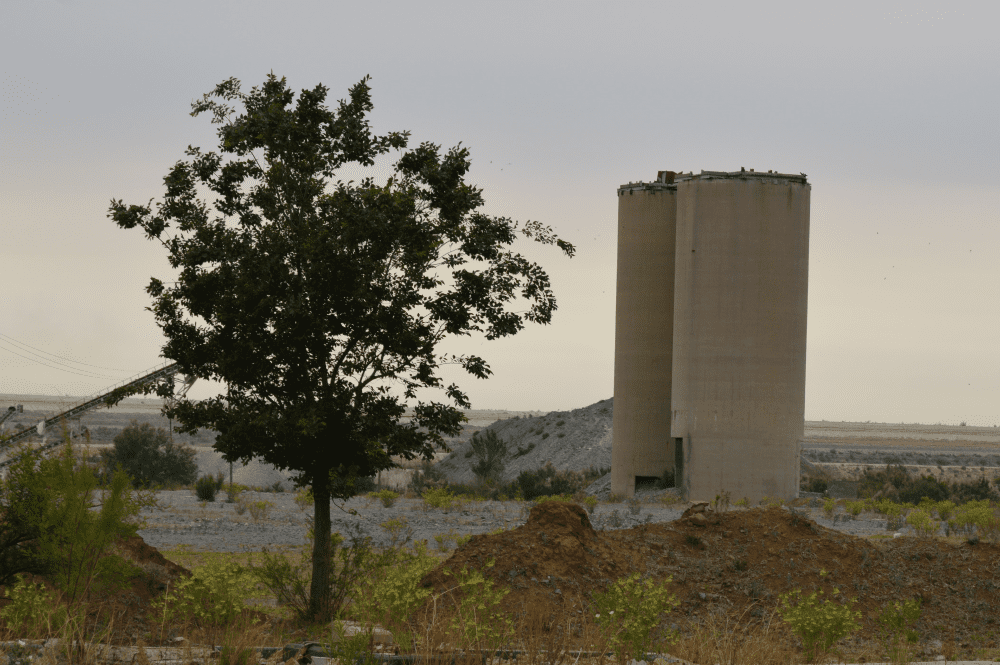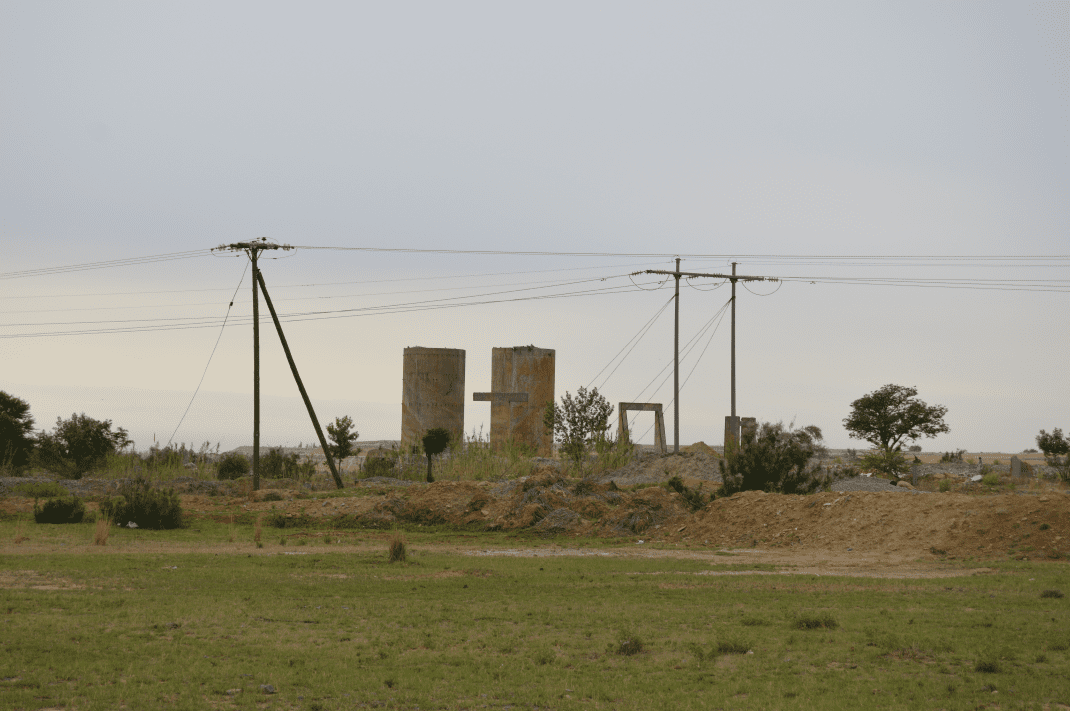
Acting Director of the Wits Mining Institute (WMI), Dr Ingrid Watson, speaks to Inside Mining about the role of research when it comes to policy and regulation regarding mine closure and rehabilitation.
What are the best practices when it comes to mine closure and rehabilitation? Ideally, the closure process should start even before a mine opens, by identifying closure objectives and planning the mine with closure in mind. Over the life of the operation, funds for closure – officially called a financial provision – should be set aside, progressive rehabilitation undertaken and the closure plan further developed. Once mining operations cease, site rehabilitation needs to ramp up along with the necessary monitoring and maintenance. A mining company may relinquish the site once it receives a closure certificate from government, which requires the land is in an ecologically sustainable state for other land uses. Mine closure is important as it allows the mining company to move on, and the land to be handed back to landowners or local communities and used for other productive land uses, as per the mine closure plan, and in line with the understanding that mining is a temporary land use. However, although many mines have been closed (ceased operations), there remain far fewer that have been signed off and relinquished. This is especially the case for large mines. Even with evolving and improving closure criteria, relinquishment remains elusive. Mine closure and rehabilitation are of increasing concern in South Africa and globally, this as more large mines close or are due to close, but with few case studies of successful closure. There is also a growing trend of major operators divesting prior to closure and passing on the liability to junior operators who are unable to adequately address the impacts. What legislation is in place to govern mine closure and rehabilitation in South Africa? Closure planning has been a legal requirement in South Africa since 1991. Additional requirements came in with the implementation of the Minerals and Petroleum Resources Development Act (MPRDA) and since 2015 closure is also managed in line with the National Environmental Management Act (NEMA) and its regulations. This legislation focuses on environmental rehabilitation, with minimal consideration of local communities and the economic impacts of closure. These concerns are partially addressed through the Social and Labour Plans (SLPs), and there is an increasing focus on the social impacts of closure. This is important as – in addition to the environmental concerns – mine closure also has devastating social and economic impacts. These include the obvious decrease in formal employment, often with the proliferation of informal mining, and the resultant decline in population, significantly amongst working aged men. Settlement patterns also change. This has implications for the municipality and their obligation to provide services. How effective is the legislation? From research conducted at the Wits Mining Institute, we have found that mine closure in South Africa is problematic. Closure certificates are not being issued as envisaged by the legislation, particularly for large-scale mines. The research found that large-scale operations mining commodities with a significant environmental impact are not being relinquished; in other words, they are not being rehabilitated to a suitable, acceptable and agreed environmental state, which would warrant being granted a closure certificate by government. Only those with a relatively low environmental impact are being relinquished. While this may in part be due to administrative issues within government, it is also true that restoration or rehabilitation is often unachievable. The impacts on the environment from mining is often devastating, and include altered hydrology, habitat fragmentation, land contamination, and its contribution to climate change. The cost of rehabilitation is often prohibitive and underestimated. Evidence of a ‘closed’ mining region without permanent impacts is yet to be demonstrated or predicted with certainty in planning.What this means is that a number of mines and communities may be left in limbo. The mining companies cannot move on, and the land is not being released for alternative land uses which could contribute to livelihoods.