


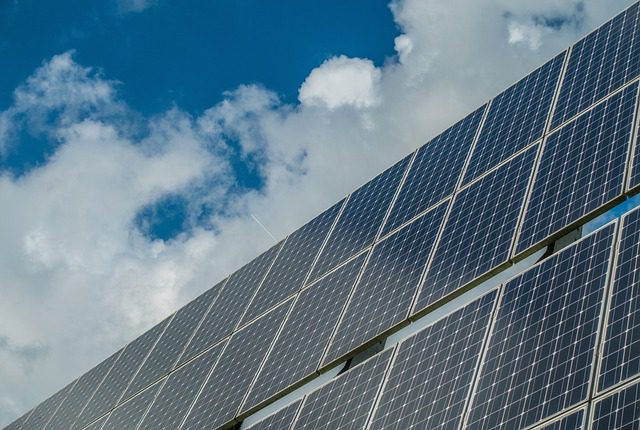
Palabora Mining Company (PMC) has partnered with Mzansi Energy Consortium (Mzansi Energy) through a formalized contract to develop a 132MWp solar photovoltaic (PV) plant and battery energy storage system (BESS) capable of storing 310MWh of electricity.
The power plant, branded ‘Marula Green Power’, is expected to be rolled out over two stages. Stage 1 is the construction and stage 2 will be operation and maintenance. The project is expected to reach financial close in the second quarter of 2023 and commence operations in the second quarter of 2024. The current timelines are preliminary and may change based on the outcome of the Detailed Feasibility Study (DFS). Once deployed, the project will be one of South Africa’s largest private Independent Power Producers (IPPs) and is intended to provide the mine with both security of supply and significant cost savings. Wessel Wessels, CEO of Journey2Green (a founding partner in Mzansi Energy), says a long-term Power Purchase Agreement (PPA) will be finalised between the parties at the end of the DFS in the six to eight months from October 2022 to the end of May 2023. According to Wessels, Mzansi Energy will design, finance, install, operate and maintain the plant for 12 years. “The plant will be based within the municipal jurisdiction of Ba-Phalaborwa, Limpopo, just outside Namakgale township, and will be approximately 20km from the mine. The location is strategically chosen to allow for direct supply to the mine without connection to the Eskom grid,” Wessels explains.Sustainable development and green energy supply
Tumi Mogoera, Associate Director of Summit Partners (another founding partner in Mzansi Energy), says the project is one step towards helping South Africa address its electricity challenges. “Additionally, the Marula Green Power plant will contribute to our nation’s Just Energy Transition (JET) net zero carbon emissions strategy,” Mogoera points out.Mzansi Energy has partnered with the local traditional authority as per the study performed for identification of the ideal location subject to final Environmental Impact Assessment (EIA). The authority will host the solar power plant on its land and enter into a long-term lease – the long-term lease is conditional on specific socio-economic benefits for all local Ba-Phalaborwa communities in areas such as business opportunities for SMME’s, skills transfer / development, job creation etc.
During the project roll out phases, many direct and indirect employment opportunities will be created through the Marula Green Power project. Local suppliers in the Ba-Phalaborwa region will enjoy new business opportunities. Based on initial estimates, the project could create about 500 to 750 fixed-term employment opportunities during construction and approximately 35 permanent jobs during the 12-year operation and maintenance period.Mzansi Energy’s local community upliftment
Mzansi Energy has developed a community development roadmap to stimulate the local economy through skills development and employment of local people. This applies during the development, construction, and operation of the Solar PV plant in the Ba-Phalaborwa area. Built on these solid community relationships, Mzansi Energy’s Corporate Social Responsibility roadmap specifically includes:- Job creation, not just during the construction phase but also during the 12-year term. Mzansi Energy commits to assisting qualifying entrepreneurs in establishing themselves as fully-fledged businesses after their involvement in the project construction phase with a long-term maintenance contract to support the site.
- Allocation of funds for skills development, youth development and community development initiatives.
- Agrivoltaicsfarming is planned at the plant to improve food security and reduce poverty among local people. Agrivoltaicsuses, in combination, a portion of the land for solar photovoltaic power generation and agriculture. The detailed plan shall be consulted with the stakeholders to ensure that the process unfolds in a fair manner for the benefit of the local communities.

