


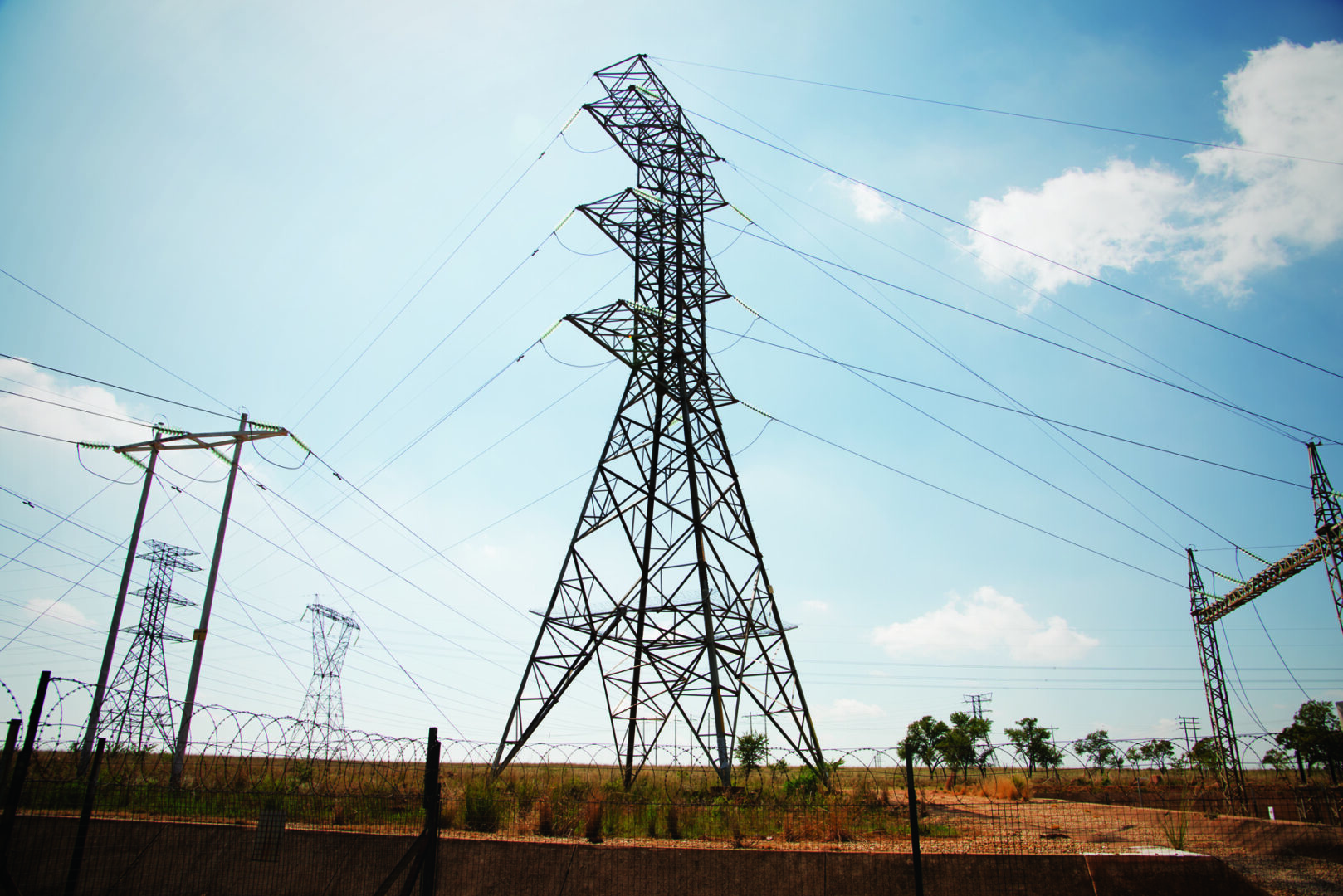
The Minerals Council South Africa (MCSA) released a statement expressing dismay at the above-inflation electricity tariff increases granted to Eskom, which is struggling to adequately supply the country with power, and the negative consequences for the economy and employment.
The latest 18.65% and 12.74% tariff increases mean the mining industry’s electricity costs will increase by R13.5 billion, or 33.7%, to R53.5 billion by the end of 2024. Over the 4 years between 2021 and 2024 electricity tariffs would have increased by 46%. Since 2008, the price of electricity for the mining industry has increased eightfold while consumer prices, as measured using the consumer price index (CPI), have only doubled. Electricity will make up about 12.5% of South African mining costs by the end of 2024 from about 9% now. “These increases the National Energy Regulator of South Africa (Nersa) granted Eskom fundamentally shift the intermediary cost structures in mining. Due to the different electricity consumption densities of various mining commodities, the impact is not the same across the sector, but this is deeply concerning,” explained Henk Langenhoven, Minerals Council Chief Economist. The higher cost of electricity means the share of energy in intermediary inputs will increase from 24% to 38% in gold mining, from 22% to 37% in iron ore mining, and from 13% to 19% in the platinum group metals sector. The increasing difficulties Eskom has in keeping the economy supplied with electricity coupled with the tariff increases adds to the negative economic sentiment in South Africa at a time when unemployment is at a record high, and the country desperately needs urgent fundamental structural and regulatory reforms to stimulate the economy. The government’s reforms in the electricity arena announced in 2022 have probably been the most fundamental of all. The Minerals Council welcomed the removal of the cap on the size of private sector electricity generation projects. This must be emulated in other state-controlled areas of the economy like water and transport logistics where meaningful private sector participation and partnerships should be encouraged and facilitated.Impact of electricity price hike on the mining industry
For mining, the deepening electricity crisis will be felt at processing, smelting and refining plants, while mines need absolute energy certainty when sending employees underground to ensure they can safely return to the surface. Smelters require sufficient time to ramp down as sudden loss of power will result in catastrophic damages. With the current levels (Stage 3/4, before the recent Stage 6 announcement) of loadshedding, smelters were already experiencing uncharacteristic trips as they were not designed to operate under these conditions. The cost to the economy of ‘unserved energy’ or loadshedding is about R87/kWh while the cost of diesel generation is about R7.50/kWh, according to the CSIR. It makes sense, therefore, to allow diesel purchases due to the damaging opportunity cost of loadshedding.The consequences of the latest tariff increase must be seen in the wider mining sector context. Average input costs were running at above 15% at the end of 2022. These new tariffs could add 4 percentage points to costs, materially squeezing profit margins. The Minerals Council estimates mining production declined by 6% during 2022.
“The adverse operating environment of unreliable and expensive electricity, and a crisis in transport logistics for bulk mineral exports erode the mining sector’s global competitiveness and may very well culminate in job losses in mining,” added Langenhoven. Over the medium to longer term, these uncertainties bode ill for starting new mines and extending the lives of older, marginal assets. For mining companies building mines that have lives of decades, the ability to accurately estimate long-term electricity prices and supply as well as confidence in securing reliable and cost-efficient transport and export channels are critical factors in deciding whether to start new projects.
