


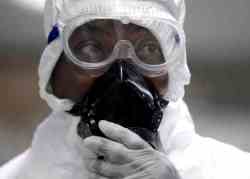
The recent Ebola outbreak across Africa highlights the importance of having effective crisis management protocols in place at mining operations, according to International Research Networks (IRN).
Security and crisis managers across Africa are on high alert in light of the deadly outbreak of Ebola currently blighting many states in West Africa, along with a growing number of countries in Central and East Africa.Humanitarian efforts
The death toll of the current Ebola outbreak in West Africa has reached 2 097 out of 3 944 known cases, the World Health Organization announced Friday. Humanitarian group Médecins sans Frontières (MSF) also known as Doctors without Borders has doubled its staff of volunteer doctors in the Ebola-affected regions in West Africa, but is unable to cope.Mining care and safety
The IRN states that mining companies must carefully consider their duty of care and safety of their employees during an outbreak, principally those with employees from overseas and particularly companies mining in the worst affected countries, such as Liberia, Sierra Leone and Guinea. The Ebola outbreak, which has between 55% – 90% mortality rate, will inevitably hamper production at a number of mines over the coming months, according to the IRN.

