


Across a wide range of commodities, prices have plunged by as much as 50% since the start of the year.
Case in point, iron ore prices that dropped to its lowest levels in five years in December. Commodity prices have taken a knock owing to a weakening global economy, particularly a slowdown in the Chinese economic growth.Global commodity prices
The International Monetary Fund (IMF) estimates that global commodity prices are 8.3% lower than at the start of the year. In its recent World Economic Outlook report, the IMF demonstrated how a $20-a-barrel oil price decline would increase the real income of consumers, boosting domestic demand and growth in consuming countries and hitting exports and demand in producer nations. Shock waves from the decision by the Saudi-led oil cartel, Opec, not to cut production in the face of an oversupply on world markets have reverberated throughout the global economy, hitting energy and mining companies as well as financial markets, and threatening whole economies with bankruptcy, reported World Economy News in Q4 2014. Oil slumped in price from around $100 per barrel in the first half of the year to below $70 in the final quarter of the yearChina demand
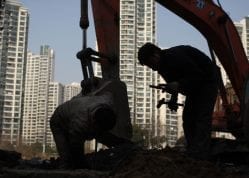
China is the world’s largest consumer for many raw materials. China property sector has driven iron ore demand in recent years. However, an ailing housing construction sector in China has impacted on iron ore price, as the country’s residential housing sector accounting for close to 25% of steel consumption in the country. Another reason for the sharp fall is the three big producers of the steelmaking ingredient, Vale, Rio Tinto and BHP Billiton dramatically increasing production and shipping volumes in 2014.A falling steel price will help reduce costs for many industries, including oil and gas. Steel accounts for about 30%of the cost of a large oil project, according to McKinsey, the consultancy.
China has enjoyed a boom in economic growth seeing growth of 10% that far surpassed those of developed nations and most other developing nations.
