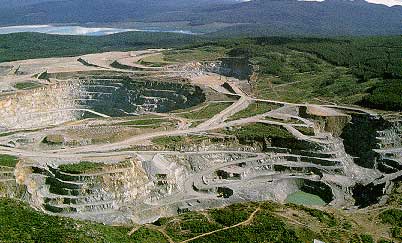
The origins of mine closure practice have influenced the way in which it is implemented by companies and regulators. Mine closure practices essentially started developing in the 1970s in countries with advanced economies and mature mining industries. In these settings, the emphasis was justifiably placed on restoration of the landscape and an attempt was made to return to the ‘natural’ pre-mining land cover. These practices continued to evolve and incorporated socio-economic and cultural aspects, especially after the Brundtland Report in 1987 and the subsequent Earth Summit in 1992.
Today mining is increasingly occurring in remote parts of developing countries where there may be significant need for infrastructure such as roads, clinics, and schools. The costs of returning land to low (economic) value pre-mining use may be far greater than establishing a viable post mining land use that could potentially add value to the community and take pressure off sites for greenfield development elsewhere.Post-mining land use opportunities in developing countries–a review