


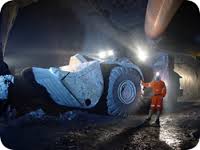
On February 22, 2015, about 486 mine workers were trapped underground in Kusasalethu, Carltonville as a result of a fire incident. In January 2014, a similar incident occurred in Doornkop, where eight lives were lost. These incidents worried the National Union of Mineworkers (NUM) so much that they even issued a statement asking the mining company where these fire outbreaks occurred to improve their safety systems or find ways to mitigate such occurrence.
Even without the dangers posed by fire, mining underground is in itself a hazardous job, what with rock falls and cave-ins; not to mention pollutants like dust, diesel fumes, methane and even radiation. Part of a mining company’s health and safety policy therefore, should be the establishment of proper mine ventilation system or where it is established, to optimise this facility to ensure mine workers’ health are not compromised in any way during incidents. There will always be incidents in underground mining, either due to lack of due process or human factor. The survival of workers in any situation will often depend on what safety processes and procedure the company has put in place. This Mine Ventilation Optimisation Workshop is equipped to look at critical aspects of mine ventilation issues like refrigeration and cooling practices; measurement and control of underground pollutants; energy optimisation processes and energy recovery, as well as computer modelling systems for ventilation and cooling networks. It is geared to provide stakeholders in the mining industry with a comprehensive suite of relevant practical solutions and case studies for addressing key factors such as the flammability of materials, fire fighting techniques, updating the state of ventilation, balancing safety and savings in ventilation planning, proper ventilation management, risk management and safety standards required in ventilation management and optimisation. This is an event you cannot miss if you aim to improve and optimise your mine’s ventilation system and safe guard the lives of your workers. BENEFITS & OUTCOMES
- By attending this Workshop, participants will know how to:
- Implement risk management and safety standards in ventilation management
- Implement energy optimisation and energy recovery as cost cutting processes
- Meet standards, regulations and best practices in ventilation management
- Appraise VOD (Ventilation on Demand) suitability
- Adapt computer modelling systems for ventilation and cooling networks
- Reduce heat stress through adequate temperature control mechanism
- Assess flammability of materials & create fire fighting awareness
- Monitor, measure & manage diesel exhaust in mine sites
- Occupational Mechanized Mine Hygiene Practitioners: Ventilation
- SHE Ventilation Officers
- Ventilation & Hygiene Officers
- Ventilation Specialists
- Chief Ventilation Officers
- Occupational Ventilation Officers
- Occupational Ventilation Managers
- Environmental Ventilation Managers
- Ventilation Superintendents
- Group Ventilation Officers
- Production Managers: Ventilation
- Ventilation Engineers
- Ventilation Coordinators
- Mechanical Engineers: Ventilation
- Engineer HVAC (Heating, Ventilation, Air –Conditioning)
- HVAC Technicians
- Mechanical Engineers: HVAC
- Fire Safety Engineers
- Fire Design Engineers
- Mine Planners
- Mine Maintenance Managers
Mines and allied mining industries EXPERT FACILITATORS
To be Confirmed DATE: 2 – 3 July 2015 @ The HackleBrooke Conferencing Centre – Craighall – Johannesburg

