


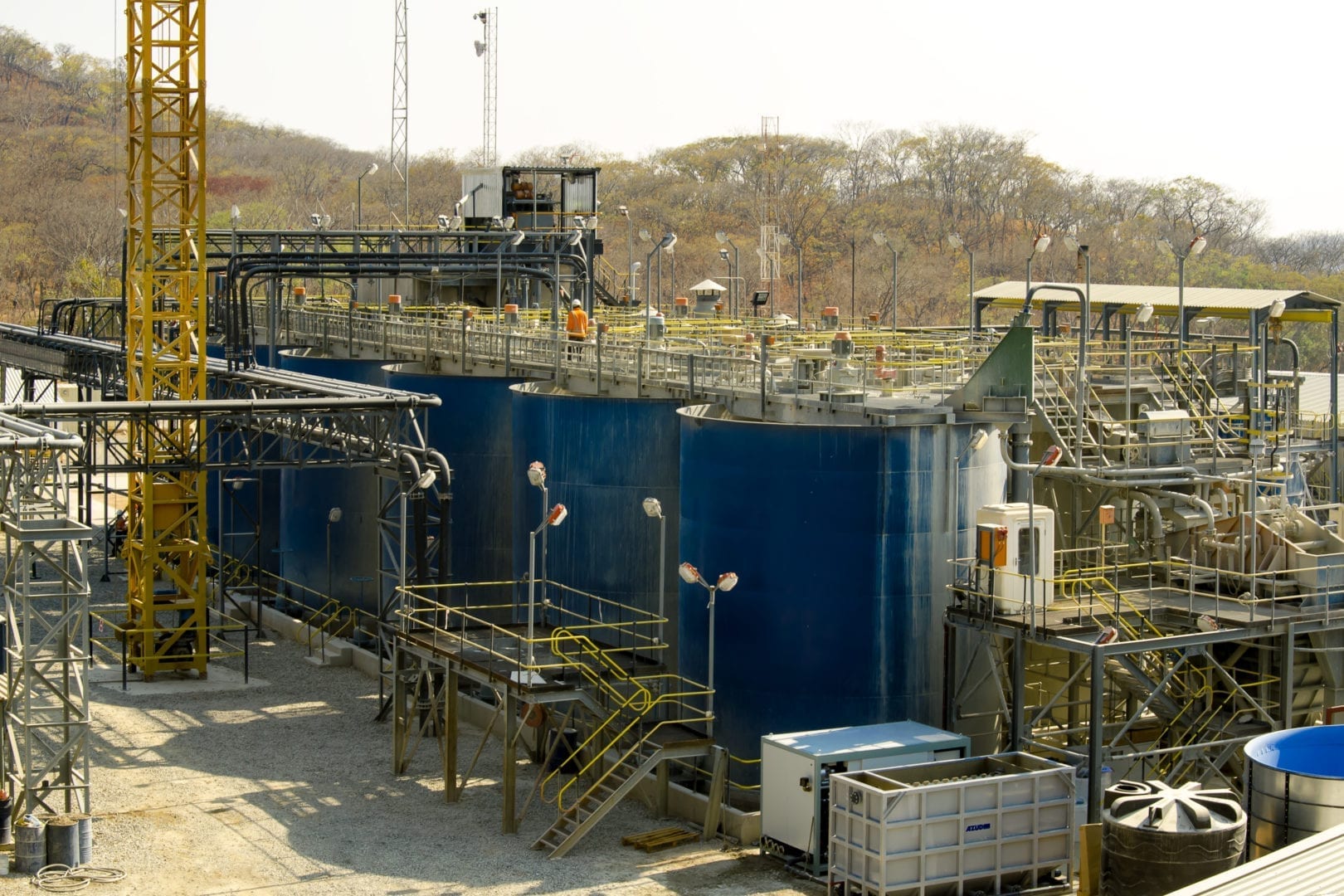
Amid the negative news that often abounds within the mining industry, it’s always heartening to hear about new positive developments at mines across Africa. One such a mine is Shanta Gold’s New Luika Gold Mine in Tanzania, which has started underground development and will be implementing a new power plant on-site.
The new improvement will see the current converted diesel engines replaced by a heavy fuel oil (HFO) power plant. Using HFO results in much lower operation costs, with savings of roughly 40%. With the converted diesel engines coming to the end of their operational lifespan, management decided to replace them with a 7.5 MW power station to also accommodate the increased demand of the underground. “We selected HFO engines that are designed to run on HFO, as opposed to the diesel engines that were converted. HFO engines run at a much lower speed, have far slower wear rates and can last many years longer than diesel engines,” says Toby Bradbury, CEO, Shanta Gold. He adds that the savings in terms of fuel supply is roughly 40% compared to diesel and the capex can be spread over a longer service life than would be the case for diesel engines. These two elements make for about a 20% saving all-round. “Apart from replacing the diesel engines for cost-saving purposes, the mine is developing its underground operation. For going underground we require double the amount of power to what we currently consume. That is another reason for acquiring the new power plant,” explains Bradbury. Purpose-built HFO engines are common in Tanzania – both engines and alternators – and are not new technology at all. Bradbury says that the mine is completely off-grid but is considering making use of Taneso’s (Tanzania’s national power provider) power for non-essential items. He adds that the mine could then also consider options to supply Tanesco with power from the mine’s new power station, which can be sold on to the community. Underground developmentCurrently, the mine operates from two pits and is developing its underground operation as deposits are getting depleted for economical surface mining. The underground project started in September 2015 and the portal and decline development will start in Q2 2016. “The underground ore production has been scheduled to come on stream as the open-pit ore production tails off. We are expecting to see a sustainable production rate at around 84 000 ounces a year,” says Bradbury, adding that guidance for 2016 is between 82 000 and 87 000 ounces a year.
The feasibility studies for the underground were completedne last year. The preparation for development of decline has started and underground production is scheduled to start in 2017.
“We are the biggest gold mining operation in the Lupa Goldfield region, south-west Tanzania. It is a very prospective area, and we have high-grade deposits. The nature of the gold field is such that deposits are smaller in scale but high in grade” says Bradbury.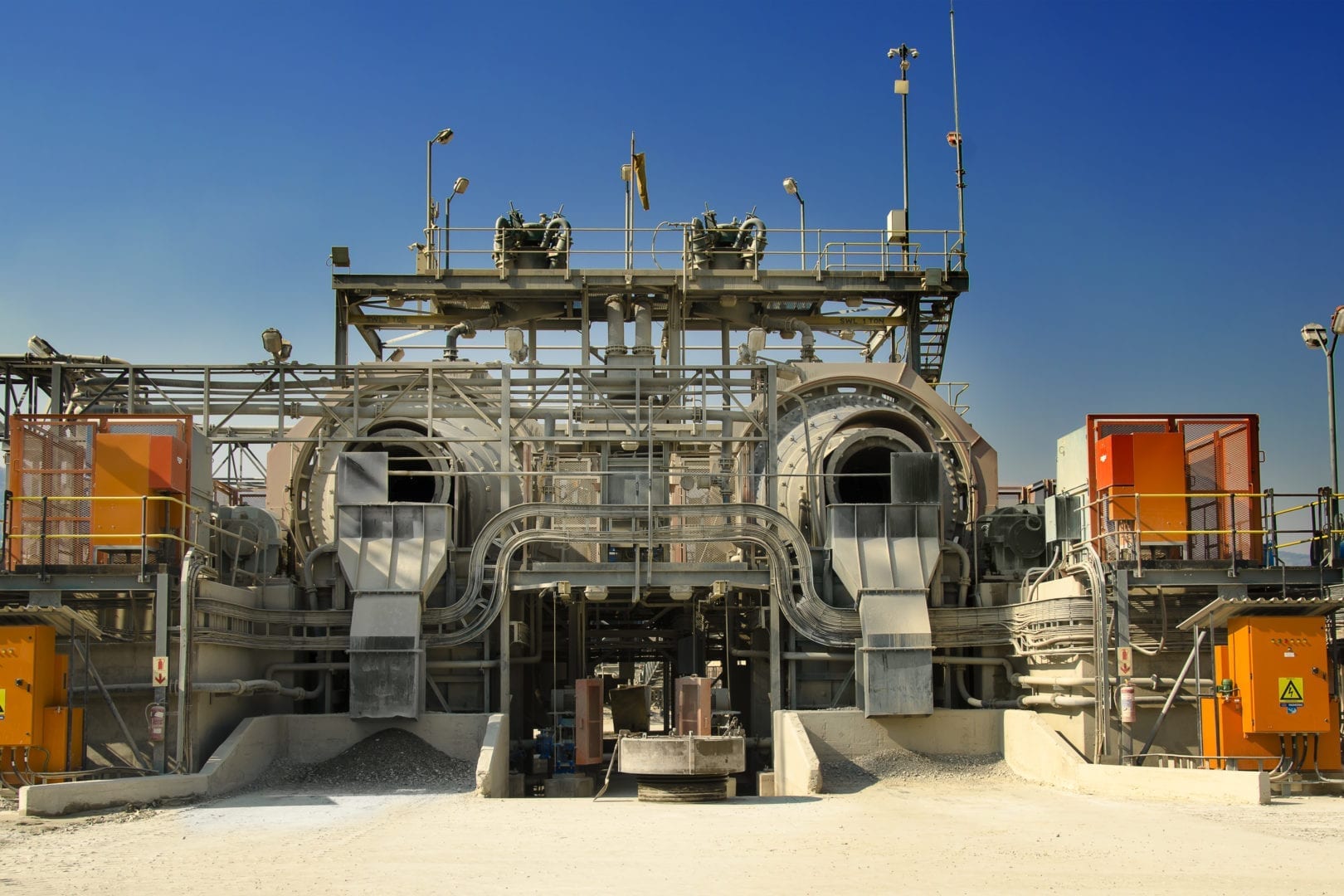
The processing plant at New Luika Gold Mine in Tanzania
The business is divided into operational and exploration divisions. Exploration is taking place through the course of this year and 2017 to find additional reserves to extend the mine life to 7 to 10 years. The mine is exploring within its current mining licence, which includes eight deposits. “Historically, none of the deposits were drilled out from a strike or depth perspective. Now, we are drilling on these deposits and we have completed the Elizabeth Hill deposit, where we have increased the reserves from 5 000 to 28 000 ounces. This is a big step up,” enthuses Bradbury. “Five years at 84 000 ounces equals a large portion of the reserves that we have declared, but we have 514 000 ounces of gold resources not yet built into the mine plan. Therefore, we are doing exploration and detailed planning to upgrade the status of these resources ,” explains Bradbury. Community
The mine works very close with the communities and employs 40% of the workforce and locals, which means the mine is significant in the life of the district as well as the Country. Bradbury shares that there are four small villages close to the mine, which Shanta Gold interacts with regularly. “We cannot let them down. We have to ensure that there will be something else to sustain the community once the mine finally closes down. Something we are working on, and something I particularly enjoy doing, is maintaining the sustainability of the business through responsible behaviour, on behalf of the company.”
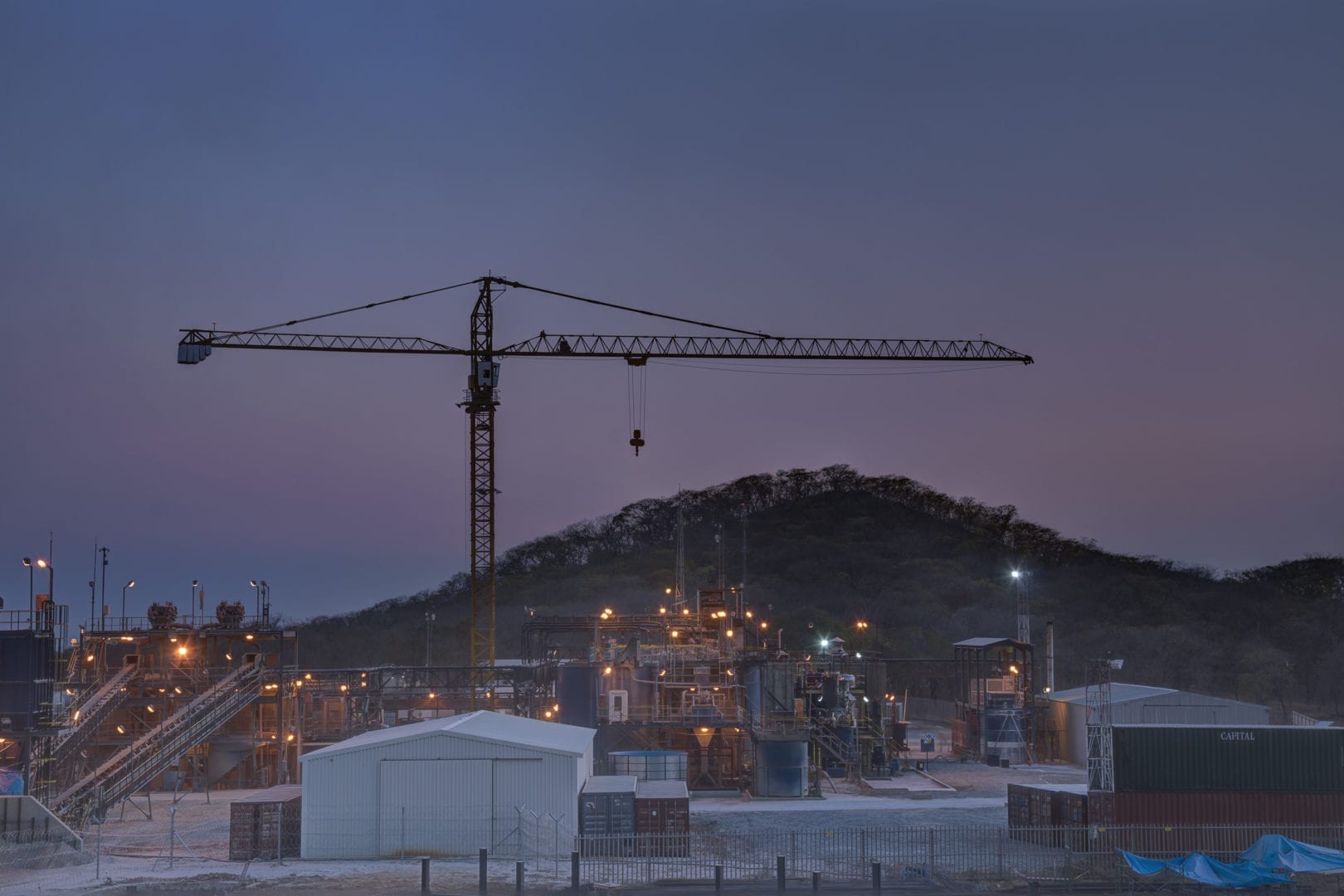
New Luika Mine is situated in a forest reserve in Tanzania

