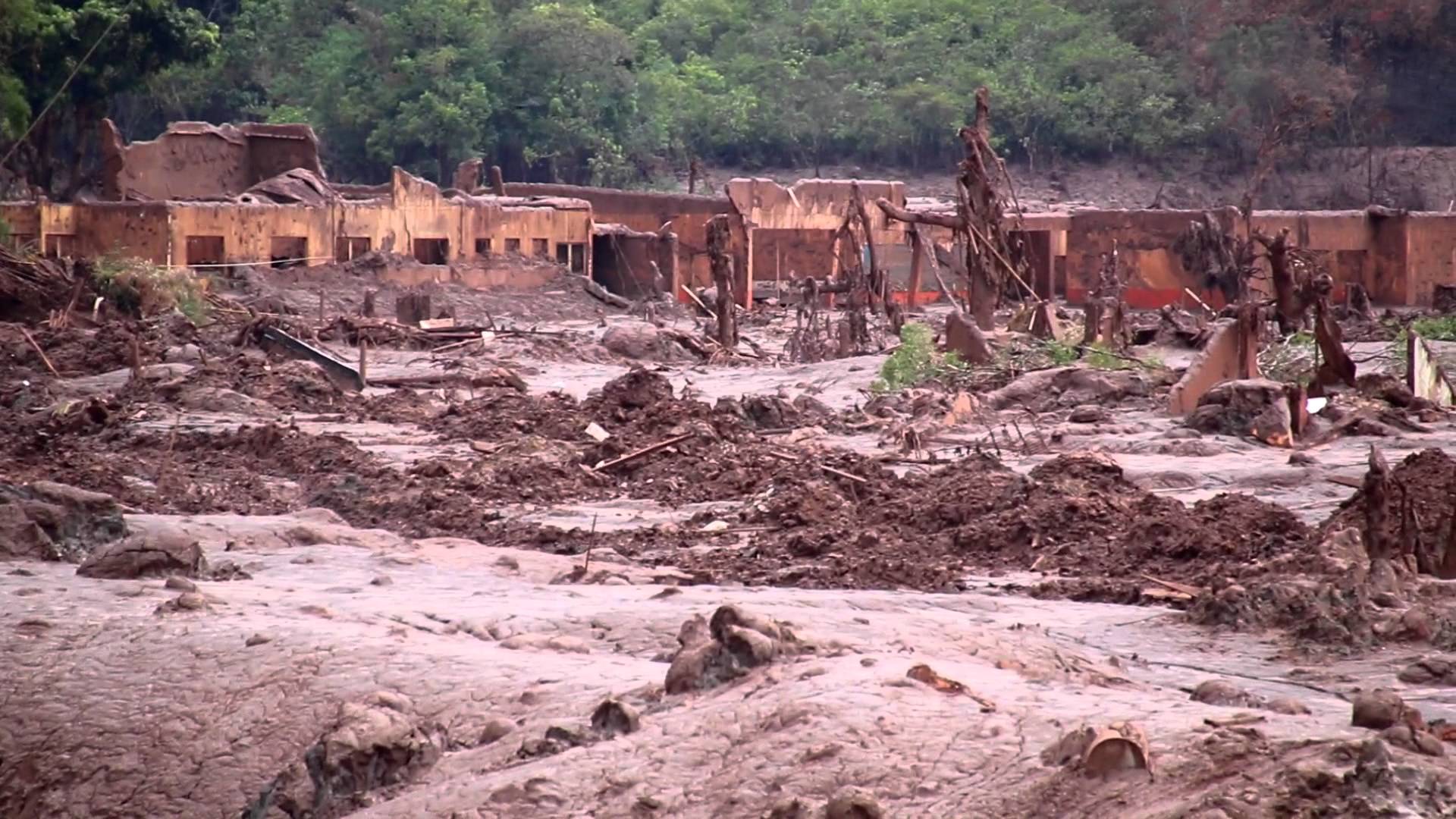
 Last year’s deadly dam collapse at BHP Billiton and Vale SA’s Brazilian iron mine was caused by part of the structure liquefying after a series of misguided efforts to fix structural defects hindered the drainage.
That’s the finding of a panel headed by Canadian engineer Norbert Morgenstern. The dam at the Samarco joint venture used an upstream design, in which discharged tailings become the foundation for future embankment raises. As walls were raised and design changes made, saturation of the site increased, Morgenstern said in a webcast. Three small earth tremors on the day of the 5 November spill may have accelerated the event, he added.
The panel was restricted to only examining technical reasons rather than assigning blame or discussing key maintenance decisions. Morgenstern avoided questions on whether there was an increase in the rate of embankment raises before the spill to accommodate expanded output amid plummeting commodity prices.
“The panel restricted its work in explaining the physical basis of the failure,” he said, adding that investigators avoided “any evaluation of alternates related to design or construction.”
The rupture sent billions of gallons of sludge through the Rio Doce valley, killing as many as 19 people, and leaving hundreds homeless. The rupture also contaminated waterways in two states in what the government described as Brazil’s worst environmental disaster.
“There is no reason to believe that anyone at BHP had any information that indicated the dam was in danger of collapsing,” Dean Dalla Valle, Chief Commercial Officer, BHP said to reporters on a call after the report was released.
The report states that construction defects as well as design changes in 2011 and 2012 contributed to the saturation of parts of the dam, which were meant to have remained solid and secure.
-Bloomberg


 Last year’s deadly dam collapse at BHP Billiton and Vale SA’s Brazilian iron mine was caused by part of the structure liquefying after a series of misguided efforts to fix structural defects hindered the drainage.

