 The decision to liquidate BCL Mine may not have been the best decision by government according to lawyer Joao Salbany.
Salbany said in an interview that the mine should have been placed under Judicial Management; a temporary court supervised rescue plan which would have given the companies in question a chance to rehabilitate themselves and to be restored to profitability for the benefit of Botswana.
“It’s not that the government can’t pay Norilsk, because we are made to believe that a decision to liquidate was mostly based on the fact that, it threatened to sue the government if it does not pay for the Nkomati deal,” said Salbany.
The lawyer argues that the 3 billion pula owed to Norilsk by BCL could have been paid, however there is no political will to salvage the mine operations.
“It is a matter of priorities, the government has been splashing money on different things recently but could not divert the money to paying Norilsk and saving 5000 jobs of the people who worked at BCL,” he added.
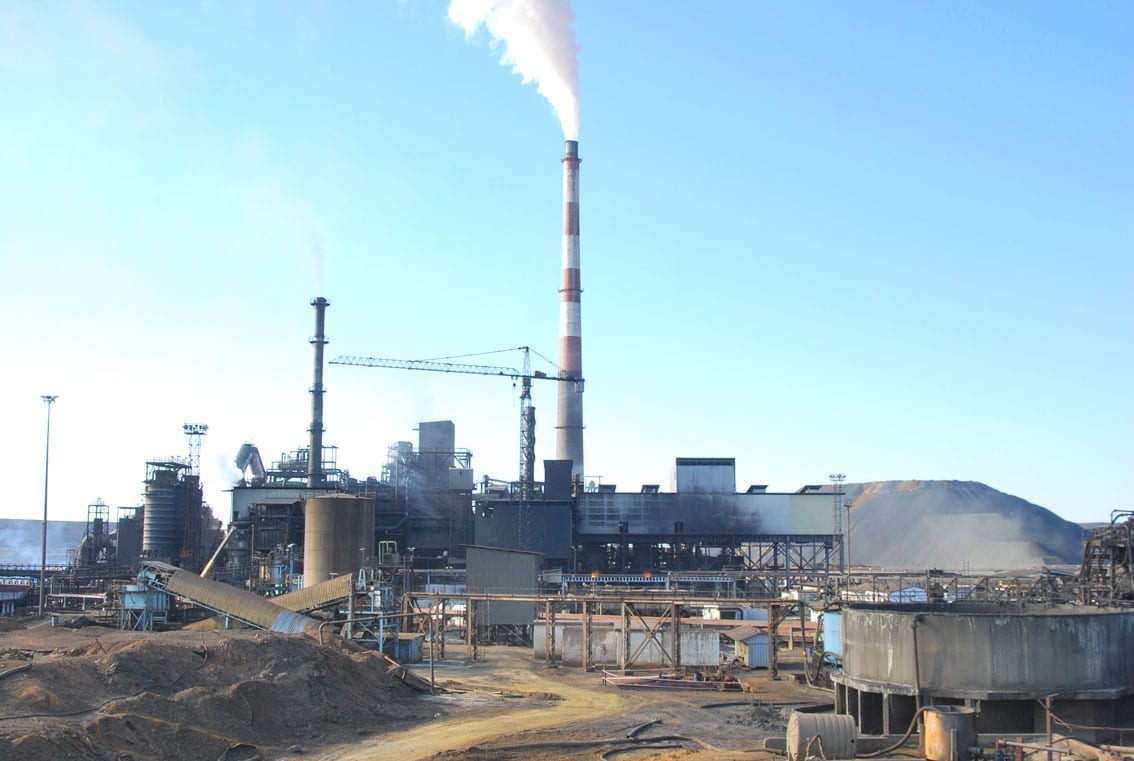
BCL has been placed under liquidation after failing to pay its creditors, but arising concerns about the widespread pollution and health hazards caused by the mine in the town of Selebi Phikwe sees the liquidation of the mine a great environmental move.
Scientific research conducted by different scholars has highlighted the dangers posed by the pollution from BCL mine on people, vegetation, livestock and other forms of wildlife in the vicinity of the mine.
The research indicates that the BCL smelter emits 534,000 tonnes of sulphur dioxide and a further 5 500 tonnes of silica and nickel dust annually. The mine also pumps out 330,000 tonnes of carbon dioxide into the atmosphere directly and indirectly per annum.
It has also been reported that of the 16 million litres of water used by the mine monthly, which has been supplied by Water Utilities Corporation (WUC), only a percentage of the wastewater was recycled. The excess effluent would be released into channels connecting Mathathane and Motloutse River.
According to the environment and tourism minister Tshekedi Khama – in response to a question in parliament last year – government has been aware of this pollution but chose to “continue to monitor the situation for the best environmental management practice”.
Khama said his ministry is constantly engaging BCL to desist from the practice of overflowing wastewater into the open environment due to the possibility of cumulative pollution and the risk to public health.
BCL liquidator Nigel Dixon-Warren will conducts health inspections on the 5000 dismissed workers.


 The decision to liquidate BCL Mine may not have been the best decision by government according to lawyer Joao Salbany.

