


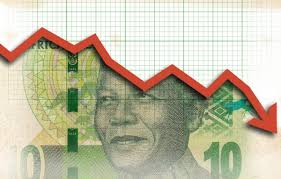
 The unexpected cabinet reshuffle by President Jacob Zuma announced in the early hours of Friday morning caused economic instability in the country, resulting in the freefall of the Rand and consequently catapulting the country’s sovereign credit rating to BB+.
“The downgrade will raise the cost of capital, increasing government and private borrowing costs, increasing the portion of government revenue that has to be allocated to covering debt service costs – thus crowding out other key government programmes, weakening the currency, raising inflation and, ultimately affecting investment, growth, and employment creation.
“The poor will be especially impacted by higher inflation, there will be less resources available for social grants, low investment, limited growth in employment opportunities, and poverty levels will rise,” said the Chamber in a statement. Nicola Viegi, Professor; school of economics, University of Pretoria commenting on the downgrade to junk status said, “When we changed the minister of finance, we need to consider what that means for the credibility of our institutions, and the credibility of our policy. Sometimes the rating agencies are secondary in this process. “The problem is that this decision (firing Minister Gordhan and reshuffling cabinet), and the way it was taken, put a lot of doubt about the future policy direction of the Treasury and of the country. This thing of changing the minister of finance at midnight without any significant explanation has created a lot of uncertainty. “The rating agency picked up that uncertainty and communicated it to the market operators. It was our responsibility to give a clear signal to the market,” expressed Viegi.
