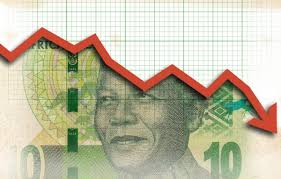
 South Africa’s economy fell into a recession for the first time since 2009 after all but two industries – mining and agriculture, contracted for a second straight quarter in the first three months of the year.
The 2017 mining results resemble those from 2015, which the statistics office published earlier this week. According to the 2015 report, the total income for the mining industry has increased by 2,2% per annum, from R393,4 billion in 2012 to R419,5 billion in 2015.
Comparing 2012 and 2015, large increases were reported for ‘coal and lignite’ (+R21,9 billion), ‘manganese’ (+R6,8 billion) and ‘diamonds, including alluvial diamonds’ (+R6,4 billion). However, large decreases were reported for ‘platinum group metal ore’ (-R15,5 billion), ‘iron ore’ (-R7,4 billion) and ‘gold and uranium ore’ (-R3,3 billion).
Mpumalanga had the largest income from sales of goods in the mining industry in 2015 with R114,4 billion (or 28,8% of the industry total). The province with the second largest income from sales of goods was ‘North West’ (R84,7 billion or 21,3%), followed by ‘Northern Cape’ (R69,5 billion or 17,5%), ‘Limpopo’ (R45,3 billion or 11,4%) and Gauteng (R44,9 billion or 11,3%). North West had the largest income in 2012, followed by Mpumalanga, Northern Cape and Gauteng.
The 2017 contraction in the first quarter introduces “a significant downward bias” to its 2017 growth forecast of 1.3%, the National Treasury noted in an emailed statement Tuesday.
“The current growth rate, if sustained, will lead to a further decline in GDP per capita and revenue, risking the sustainability of our fiscal framework and more importantly undermining the delivery of social services.”
South Africa’s growth slowed to 0.3% last year – the lowest rate since 2009, after low commodity prices. The effects of the prior year’s drought and weak demand for locally made goods weighed on output. The business confidence index remains near the lowest level in more than two decades.
Yields on rand-denominated government bonds due December 2026 rose 4 basis points to 8.48%, the first increase in five days. The six-member banks index extended declines after the release, dropping 1.7% in Johannesburg.
S&P Global Ratings and Fitch Ratings affirmed South Africa’s debt at the highest non-investment grade last week, with both companies saying policy uncertainty, political turmoil and slow economic growth pose a risk to fiscal consolidation. Moody’s Investors Service, which rates the nation at two levels above junk, has the nation on review for a downgrade.
“The rating agencies, even if they have already done their assessments, will no doubt be downgrading their GDP outlook off the basis of these numbers,” said Gina Schoeman, economist, Citigroup.


