


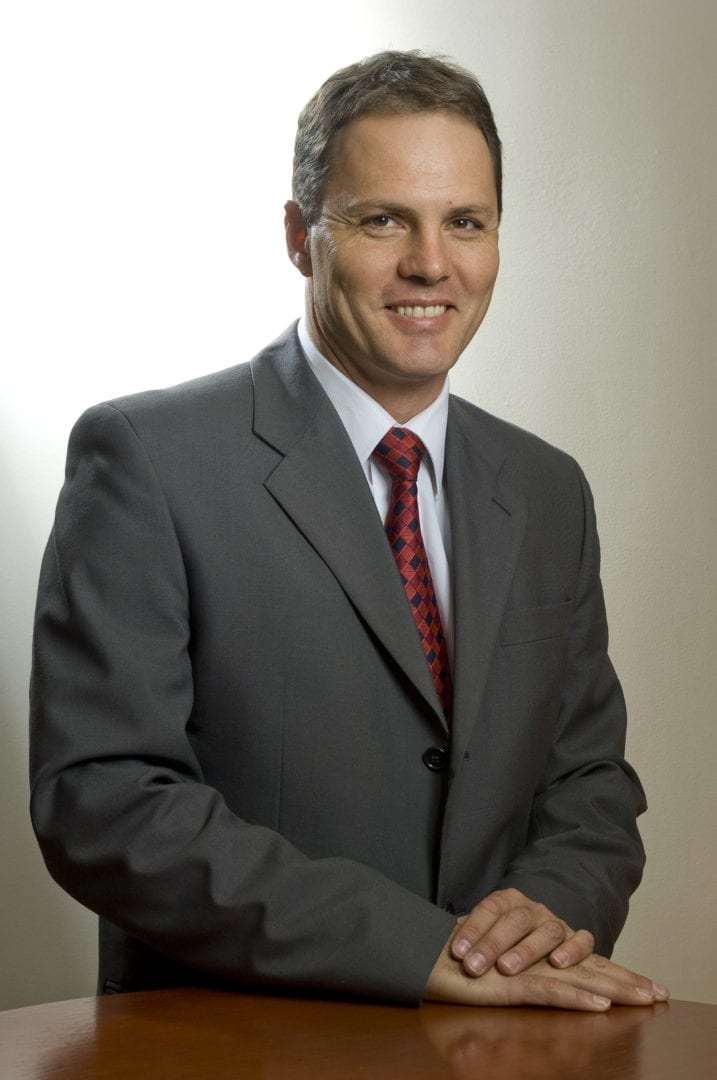
Bullion producer DRDGold recently reported a 38% year-on-year increase in operating profit, to R355.2 million, citing a rise in output and a drop in cash operating costs. Needless to say, the business remains on solid ground, writes Mpinane Senkhane.
Founded in 1895, DRDGold is one of the oldest gold miners on the stock exchange. Even today, business is staying the course – developing and refining its strategy and deploying resources – to mine not only profitably, but also optimally, ensuring that the business remains sustainable well into the future. The company says it is aware that achieving this requires bold decisions, such as the disposal of its last underground assets, which has allowed DRD to focus solely on surface gold reclamation. DRDGOLD today Neil Pretorius, CEO of DRDGOLD, indicated that the recent rise in output was partly due to a 10% rise in gold production, to 4 679 kg, and a 6% drop in cash operating costs, to R458 866/kg – notwithstanding a 3% decline in the average rand gold price, to R534 344/kg. The business’ headline earnings per share were higher, at 1.7 cents per share compared with 0.2 cents per share in the previous year. Free cash flow of R93.4 million was generated, compared with a negative of R45.1 million in FY 2017. Froneman said DRD’s three major projects at Ergo were part of an ongoing drive to keep the cost line below the revenue line and this initiative was completed by the end of FY 2018. Ramp-up of reclamation from the 4L50 slimes dam, containing some 20.5 Mt of material, with an average grade of 0.256 g/t. “Reclamation and retreatment over the next four years is expected to result in greater plant stability and, thus, efficiency,” said Pretorius. Cost-cutting initiatives Other cost-cutting initiatives identified for the future include the conversion of the plant’s electro-winning circuit to zinc precipitation, which is expected to yield cost savings of between R2 million and R2.5 million a month due mainly to a major reduction in the time to complete the final stage of gold recovery – to around three hours from 18 hours – and from significant cuts in the consumption of caustic soda and cyanide.
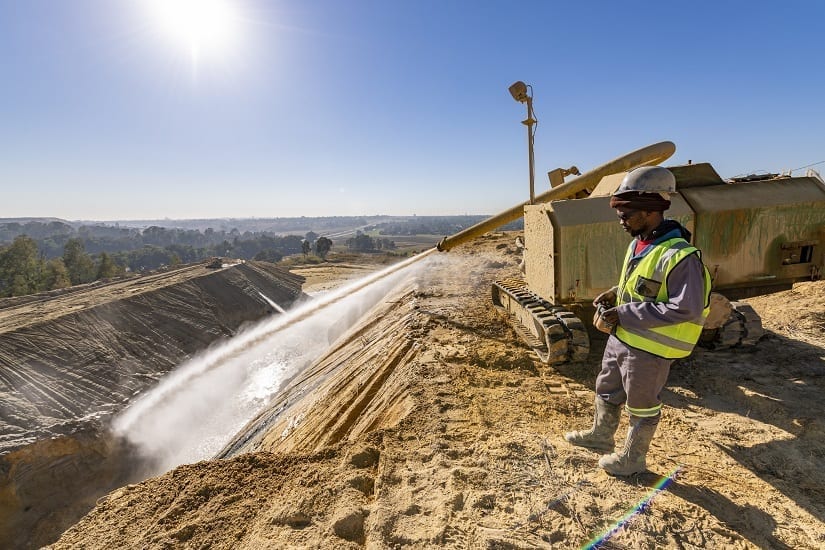 Another is the installation of two 60 000 tpm ball mills reclaimed from the company’s decommissioned Crown plant and refurbished at a cost of R41 million in order to process higher grade sands at better margins. An estimated 12 Mt to 15 Mt of sand is recoverable from the Benoni Cluster. Pretorius said 7.3 Mt will be targeted for reclamation over the next five years.

