AIM-listed AfriTin Mining Limited, a tin mining
company with assets in Namibia and South Africa, has raised £3.8 million for
its flagship Uis Tin Mine project, in Namibia, which is in the commissioning
phase.
The £3.8m was raised by way of convertible loan notes with a strategic African tin trading group and existing shareholders; and the fund proceeds are to be used for general working capital purposes relating the progression of the project towards feasibility studies for the Phase 2 expansion at Uis and initial testwork on the lithium discovery within the pegmatite ore body.
The company has entered into an unsecured convertible loan note agreement for a total amount of £3.8 million of £100 000 each (“Notes”). The Notes have a term of 18 months and attract interest at a rate of 10% a year, which is payable on the redemption or conversion of the Notes.
The Notes have been placed with a strategic African tin trading group, AfriMet Resources AG, as part of a collaborative partnership to identify further opportunities for the company, as well as with existing shareholders.
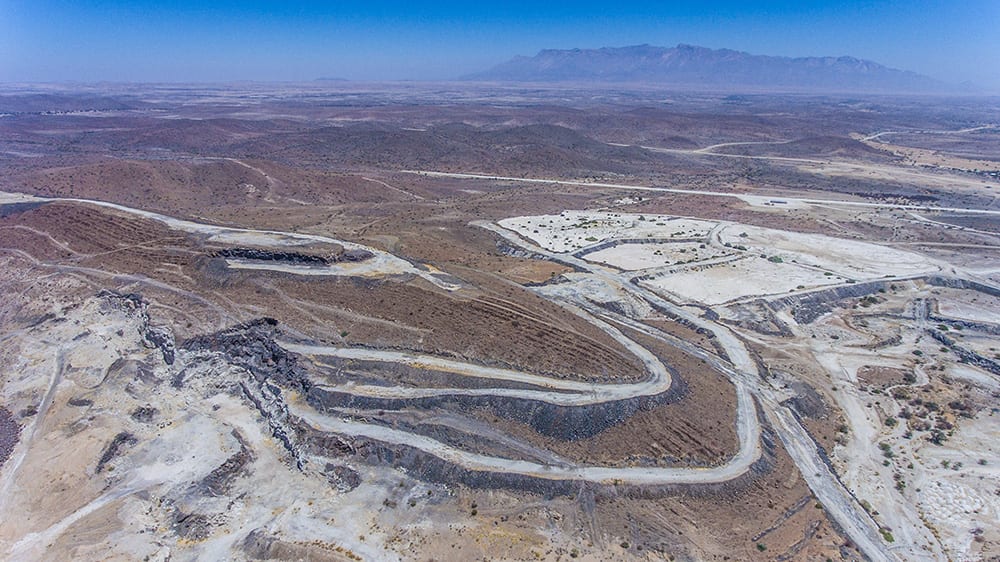
AfriTin’s flagship Uis Tin Mine project, in Namibia.
AfriMet, a 100 percent-owned subsidiary of the Zug based ferrous and non-ferrous commodity merchant, Vanomet AG, is a leader in trading the 3T metals (tin, tantalum and tungsten) and minerals sourced from Africa. If AfriMet were to convert their loan notes they would hold 40 000 000 ordinary shares in the company, representing 5.8% of the issued share capital of the company.
Anthony Viljoen, CEO of AfriTin Mining, said he was pleased to announce the raising of £3.8m by way of a convertible loan note, anchored by AfriMet.
“We have been collaborating with AfriMet to establish multiple channels for revenue generation from the trade in tin and tantalum products as well as offering participation to our existing shareholder base, who have also subscribed to the loan note.
“The proceeds of the funds will be used to fund working capital requirements relating to the progress of the project towards the studies for Phase 2 expansion at Uis and initial test work on the lithium discoveries within the pegmatite ore body.”
Viljoen
said that AfriTin’s mining activities are proceeding as planned and there are
two mining areas producing ore. This, he added, bodes well for steady state
production requirements in the future.
“We should ship our first tin concentrate from Uis at the end of November, a noticeable achievement for the company. Ramp up at the processing plant has progressed slightly slower than expected due to the delay in receiving grid power. The connection in grid power is now complete and this will allow for testing of final processing refinements for the ramp up to steady state Phase 1 levels into 2020.”
Phase 1 of the Uis tin mine is progressing well but full nameplate capacity of 60 tonnes a year.
Meanwhile, at the Uis tin mine, mining operations are performing well and approximately two months of stockpiled ore has been delivered to the plant. The construction of the grid power connection is completed and energized.
The company states that there was a slight delay to
the original time frame, mainly due to the procurement processes of the Namibian
Power Corporation. This has resulted in some plant
availability issues which are now expected to be resolved.
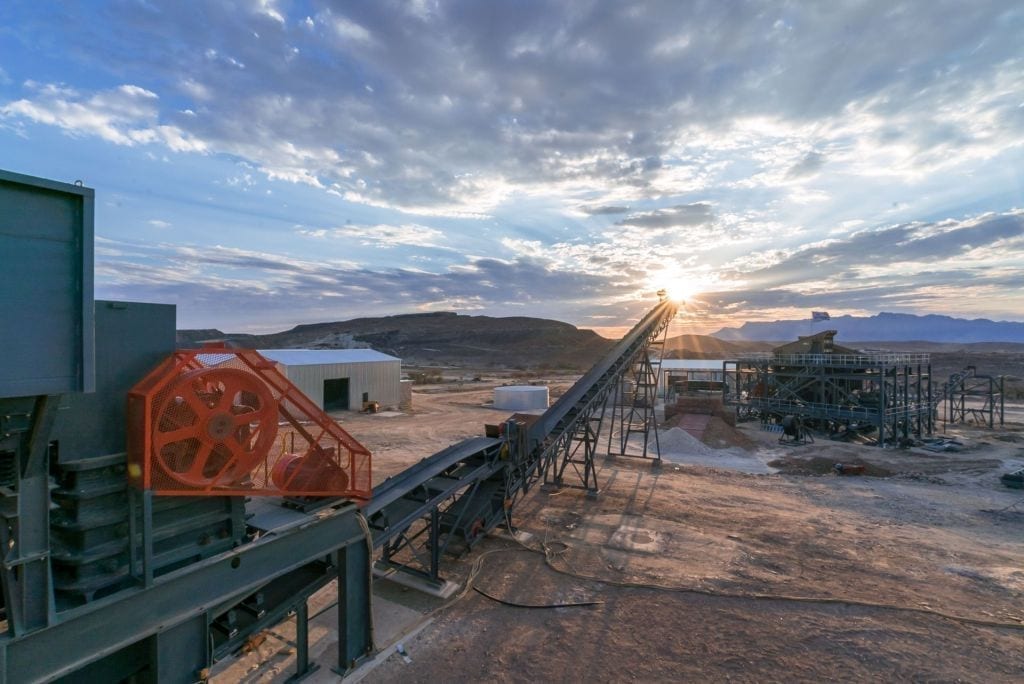
“At the processing plant, the
crushing circuit has been performing in line with the company’s expectations.
The final outstanding commissioning and ramp up activities are focused on the
concentrator circuit, which has required a series of refinements to balance the
material flows and dewatering of the ore. Good progress has been made in
fine-tuning these circuits and ramp up is progressing week after week.
“The final product is delivering a
saleable tin concentrate with low contaminant values. Accordingly, the company
is preparing to make a proportionate first shipment of tin concentrate towards
the end of the month. Future shipments will upscale in size as the ramp up of
Phase 1 production continues.”
Overall ramp up of Phase 1 is
progressing well but full nameplate capacity of 60 tonnes per annum is now
expected to extend into 2020 post commissioning completion, said Viljoen.