Geologists have something in common: the love of rocks. And it is this love that could potentially lead to the development of mines. In an exclusive interview with Inside Mining magazine, Evelyn Marumisa and Vimbayi Gengezha explain why they are passionate about the earth beneath their feet.
How did you get started in the industry?
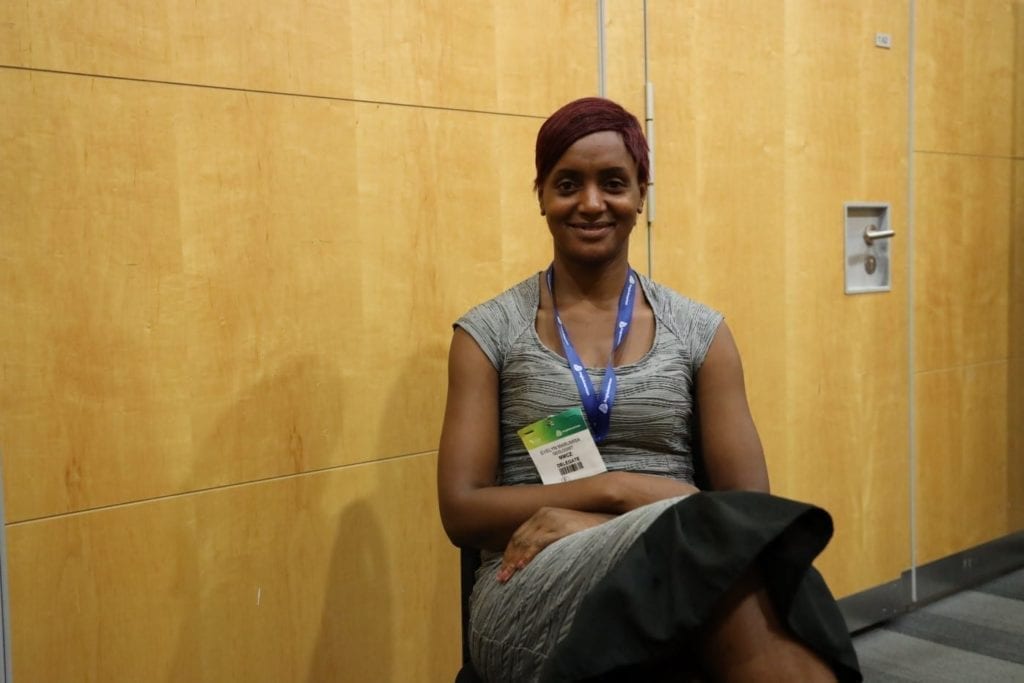
Evelyn Marumisa is an economic geologist for the Geological Survey Department.
EM: When I finished school I really didn’t know about geology. Actually, just after school I worked for a year as a temporary maths school teacher and then worked in a bank for about two years. It was only years later that I realised I had a passion for rocks. Thanks to the internet and my family, I stumbled upon this interesting field.
VG: It all started with having a passion for the industry and getting a degree in geology from the University of Zimbabwe in 2007. Being employed in exploration companies and going through varied training at the Geological Survey have given me experience in my field of work. Actively participating in mining projects, programmes and conferences has also helped me get started, and led to professional growth.
Has this always been something you’ve wanted to do?EM: No. It wasn’t planned; it was just a passion I followed.
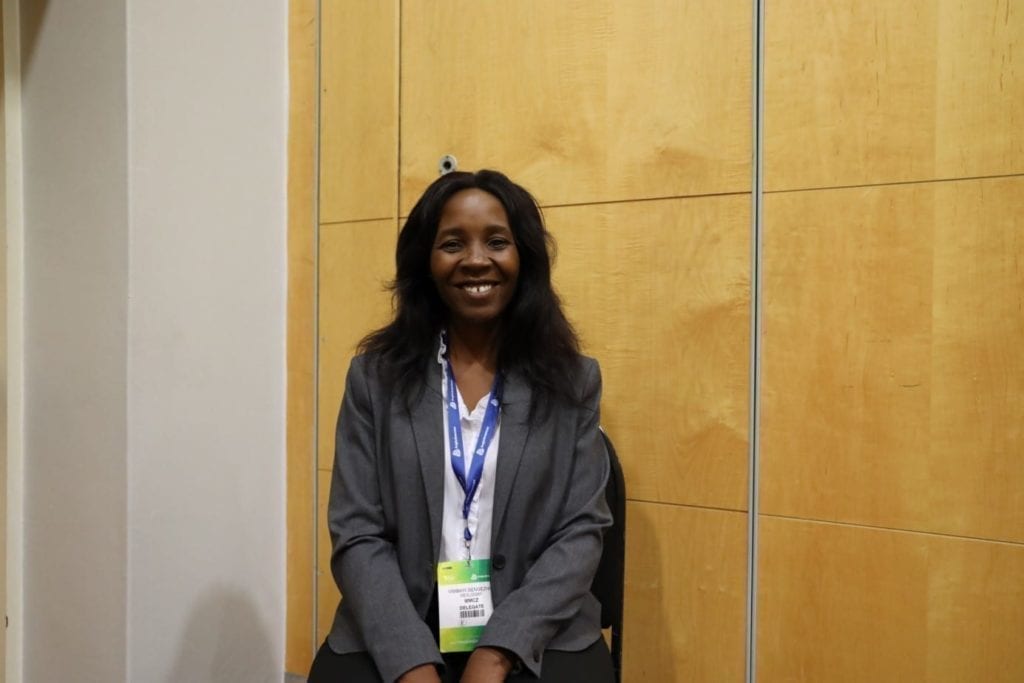
Vimbayi Gengezha is a field geologist in the Geological Survey Department.
VG: Yes, I have always wanted to be a geologist. During high school, I wanted a career that has a lot of outdoor fieldwork. I did not even know about geology at that time, until a team from the Zimbabwe School of Mines delivered a presentation on our career guidance day. The moment they presented about geology, I knew that was what I wanted to pursue.
What are some of the challenges you’ve faced in mining in your career so far?EM: The biggest challenge for me was gender consciousness. In the beginning of my career, I was overly conscious of my femininity but with time I realised that it didn’t work. In a male-dominated industry particularly in the mining environment, that awareness is not necessary because it results in one’s capabilities being undermined. As a result, there is possible seclusion from opportunities, and this may consequently affect one’s career.
VG: The main challenge is being left out or side-lined – not having the same opportunities as male colleagues.