


COVID-19 and lockdown regulations have created opportunities for local businesses in terms of innovation and ensuring essential products are still available.
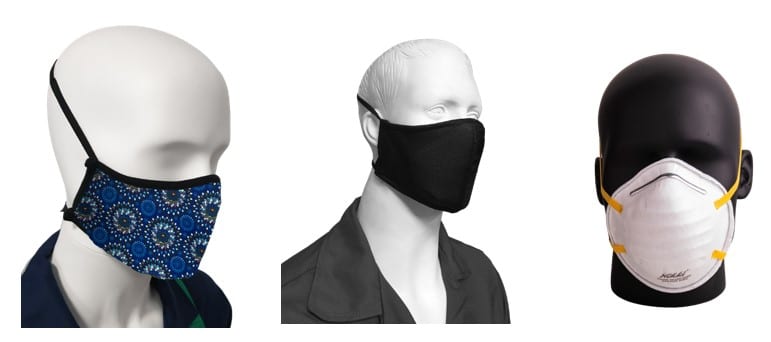
The COVID-19 world crisis has changed the world’s narrative forever. There are many heroes such as health workers and those who deal with the public on a daily basis to help keep food and essential supplies and services on track. But there are other, unsung heroes who work tirelessly behind the scenes and who are making a big contribution towards a positive outcome for South Africa. When President Cyril Ramaphosa announced on 23 April 2020 that there would be a slow phasing out of the national lockdown, he also called on all South African’s to wear masks when they leave home for essential activities; stating that the clothing and textile industry – including many small businesses – are gearing up to produce these masks on a mass scale. Since 2015, BBF Safety Group, has been actively involved in the localisation of components for their Nikki dust mask through supplier partnership developments. Understanding that there would be a dire need for quality masks for healthcare professionals as well as the general public, BBF have managed to upscale their standard mask production capabilities, whilst localising previously imported components. By doing this, not only is a vital product being locally produced, but it also ensures that the factory is able to guarantee continued and sustainable work for staff and workers. Since the beginning of the year, Nikki mask production has increased by 75%, with plans in place to further increase capacity by an additional 200% in coming months to assist in the supply of critical preventative PPE and support the reopening of industry. Silvio Ceriani – group CEO, BBF Safety Group, says, “South African’s have entrepreneurship and innovation in their blood – we are a nation that doesn’t let much stop us and during this crisis, we know we’ll see incredible ideas and collaboration coming to the fore to make a positive difference in our country.”Collaborative innovation
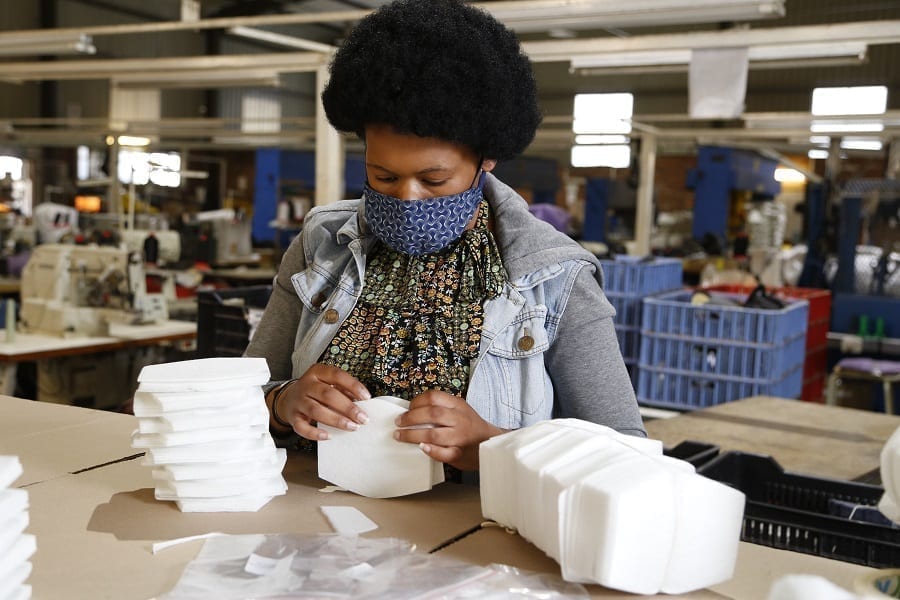
Although BBF Safety Group was already manufacturing masks as a standard line item, the lockdown in China meant that one essential filtration material, not yet produced locally, was no longer available for import. Because the factory only had enough stock for four weeks of production; this lead to conversations with local manufacturers as well as government regarding the adaptation of materials to bring them in line with the filtration specifications and increase local production capacities to meet the new demand. The government provided excellent incentives for this to happen as quickly as possible. The result is that the FFP2 masks can now manufactured using 100% local fabrics; an innovation that will continue into the future. Beyond localising materials, BBF grew local production by partnering with SMMEs.
Credit: BBF Safety

