


According to Earthlife Africa Johannesburg is the most radioactive city on the planet due to gold mining heritage.
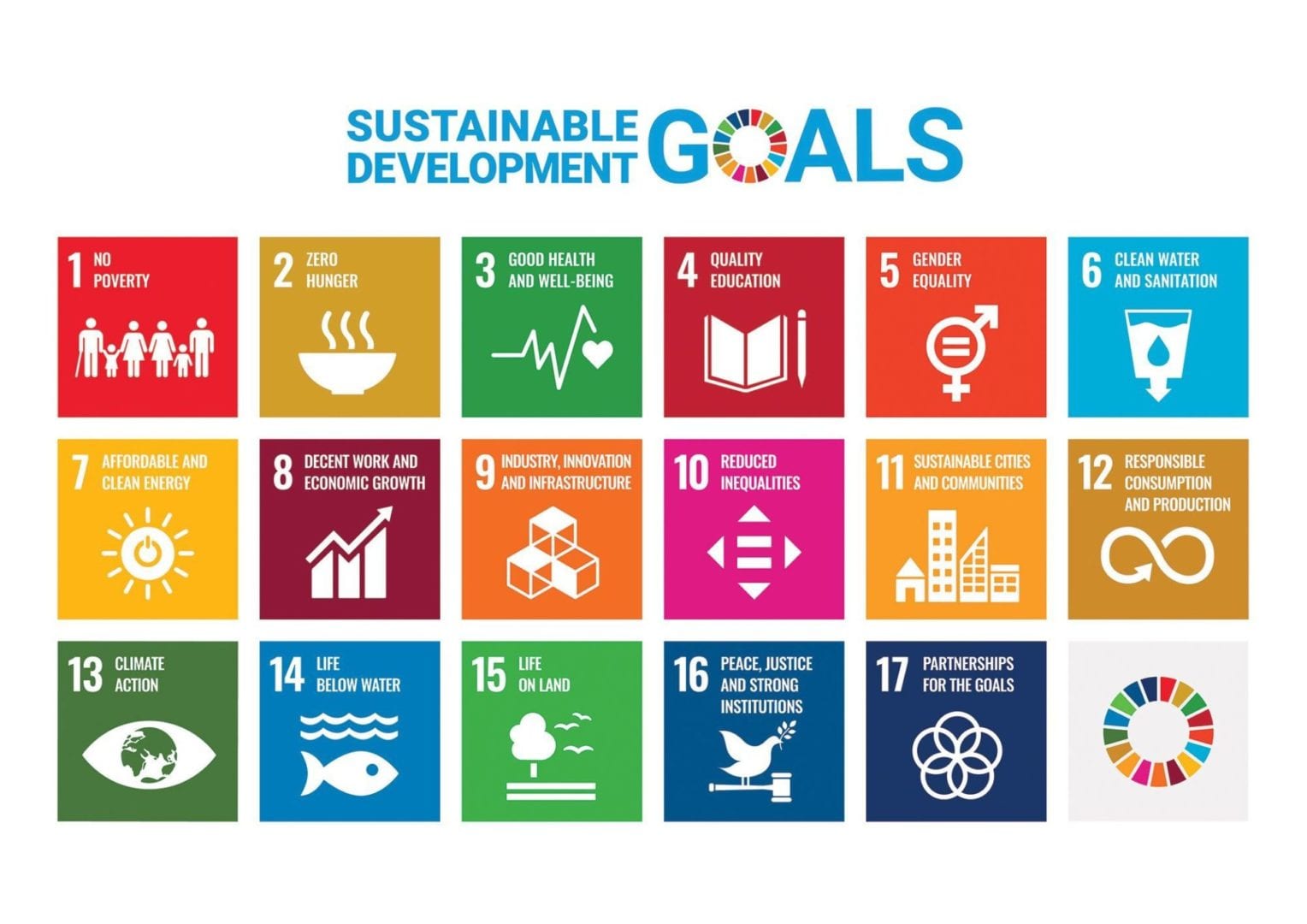
Uranium was considered merely a waste product by the late 1800s and haphazardly discarded without any recovery. Abandoned mines were not properly decommissioned and the uranium concentration in tailing disposal plants in the city is now relatively high. The effect is worst when people complain about the effects of the harmful dirt particles that make their families sick during more windy periods in August and September. Importance of sustainable development The mining of uranium also has a negative environmental impact. Environmental degradation such as soil pollution and decreased ecosystem viability are issues. The most fundamental condition for the effective fulfilment of sustainable development is sustainable consumption. Throughout history, we have witnessed and keep living through great ecocides on a global scale, mainly through loss of biodiversity. The importance of sustainable development lies in all economic growth as a promotion of the well-being of its civil society, including a vested interest in protecting the environment. The private sector may be better able to adapt to sustainable development goals. Sustainability may be easier to implement in developed rather than developing countries, but it should still be a goal. Many gold mines have made great strides to reduce their ecological footprint and make sure that 21st-century gold mining is known for its sustainability and not for biodiversity loss or sweeping environmental destruction. One such mine is Pan African Resources (PAR), which has a gold mine dedicated solely to mining gold tailings and not gold ore. For the uninitiated, gold tailings are materials remaining after extracting the desirable fraction from the uneconomic fraction (gangue) of the ore. Tailings vary from overburden, which is the waste rock or other material that encases an ore or mineral body and is displaced without processing during mining. Being serious about sustainable development & corporate responsibilityThe United Nations 2030 Agenda for Sustainable Development and 17 related SDGs balance the three aspects of sustainable development – economic, social, and environmental – making them actionable for corporate leaders.
The gold mining industry relies solely on the environment and natural resources. PAR stands firm in reducing and, where possible, removing the harmful environmental effects of their operations, including climate change. The Group’s dedication to its sustainable development strategy in ESG activities is mainly to focus on safely extracting gold from mineral resources in a way that produces economic value to its stakeholders. This dedication also assists and contextualises the UN’s sustainable development goals (SDGs). PAR takes special care to ensure that their fully financed mining activities restore the ecosystem as similar to its natural state as possible. Re-mining and consolidating gold tailings helps reduce their environmental footprint. Tailings retreatment is the Group’s biggest recycling contribution. Through reprocessing waste rock and tailings to remove gold left behind after the initial mining process, they reduce environmental impact while maintaining tailings dams. Tailings dam management is further supervised by a designated, qualified individual on each of the tailings storage facilities (TSF) sites to ensure compliance with regulations and overall sustainability. The importance of Tailings Retreatment Facilities in SDGs The expanded Kinross TSF extension of Elikhulu is planned to avoid and reduce underground filling and contamination and reflects the Group’s commitment to fixing the ‘scar tissue’ of tailings most frequently associated with mining. The PAR Elikhulu mine combines the Kinross, Leslie, and Winkelhaak TSFs into a single facility to reduce Evander Mines’ environmental footprint and impact. BTRP in Barberton also fulfils the same role and consolidates the Bramber and Harper TSFs by re-mining and re-depositing tailings waste. PAR is one of the few mines in South Africa to have comprehensive tailings retreatment operations which are not only sustainable but profitable. As South African ESG factors become more robust and sustainability-oriented, it is a great opportunity for South Africa to reconsider its environmental governance structures and conserve biodiversity for future generations. South Africa has plenty of wind and sun to create and grow an enormous renewable energy market that is decentralised and more capable of meeting people’s energy needs. The country can have a hybrid energy model that moves beyond nuclear and fossil fuels.
