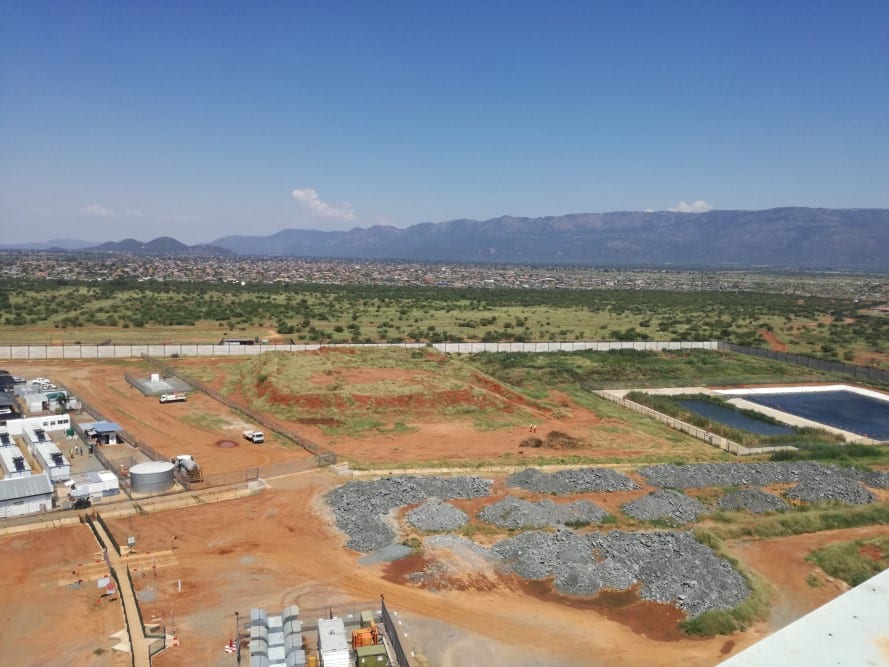
Climate change is exacerbating many of the risks that mines already face in their daily operations, and needs to be factored into planning decisions right from the pre-feasibility stage of projects.
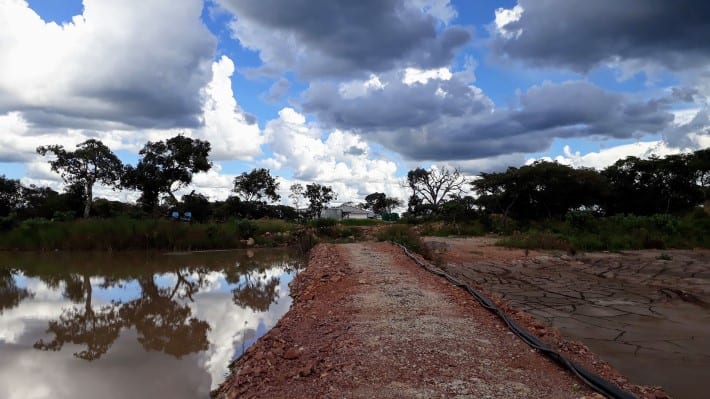
Water management, for example, is becoming more complex as rainfall patterns in many areas start to change in frequency and intensity, according to Philippa Burmeister, principal scientist at SRK Consulting. “This affects mines’ management of their surface water and groundwater resources, as well as biodiversity and wetland management,” said Burmeister. “It has implications for infrastructure design, as it raises the risk of flooding, water insecurity and environmental damage.”Water balance
As an example, she highlighted the importance of water balance as a key aspect of tailings dam design. Here, historical rainfall data is a crucial part of the information necessary to ensure dams’ safe operation in the long term. “As rainfall variability and intensity change, the historical data becomes less reliable in guiding design parameters,” she said. “Operations generally are more likely to be disrupted due to severe weather events like floods or droughts. For instance, heavier storm events may increase water volumes seeping into mine workings, requiring more pumping capacity.” Ashleigh Maritz, senior environmental scientist at SRK Consulting, noted that climate change is also likely to affect the livelihood resilience of mining communities.Social licence
“As temperatures and rainfall patterns change, traditional forms of livelihood could be threatened, making communities more reliant on the mines for income and corporate social investment,” said Maritz. “The way that a mine engages with their stakeholders and supports communities is therefore critical, as it is vital to maintaining its social licence to operate.” She pointed out that an important outcome of climate change is likely to be scarcity of precious resources like water – which could set mines in direct competition with local communities. Rising average temperatures in some regions may also lead to the geographic spread of communicable diseases like malaria – which may affect employees and surrounding communities. Impacts on public infrastructure will also have a knock-on effect for mines. More frequent flooding or drought will change municipalities’ planning and investment in water supply or stormwater facilities. This may disadvantage the mines or affect mines’ social license to operate.“This will demand not just a technical solution but careful relationship building, so that platforms are created for collaborative and long-term answers with buy-in from all stakeholders,” she said.