Ntsimbintle Holdings recently increased its stake in Jupiter Mines by acquiring a further 13.8% stake (270.5 million shares) – making it the Australian-listed miner’s largest shareholder with a total holding of 19.9%.
Ntsimbintle Holdings has invested around R1.3-billion over the last 18 months in acquiring this stake. The company is one of South Africa’s most successful empowered mining companies. In addition to the 39.66% interest held by Safika Resources, a subsidiary of Safika Holdings, its other shareholders include 13 community, women and entrepreneurial entities based mostly in the Northern Cape, of which the John Taolo Gaetsewe Development Trust with its 14.47% interest, is the company’s second largest shareholder. “With this transaction Ntsimbintle, a truly broad-based South African BEE company, has become one of the world’s major forces in manganese mining. This is something that every South African can be proud of particularly because from inception, Ntsimbintle committed to social investment in the Northern Cape and to sharing the economic benefits of mining with local communities,” commented Ntsimbintle Holdings chairman Saki Macozoma. He added that dividends paid back to shareholders to date amounted to R3.26 billion.Tshipi é Ntle Manganese Mining
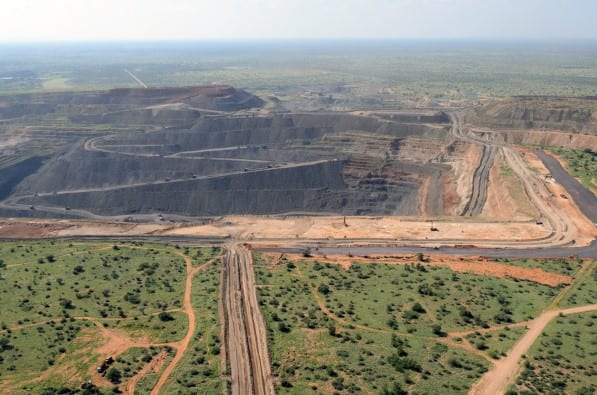
Ntsimbintle Holdings has a 74% stake in Ntsimbintle Mining, which in turn has been the developer of and leading shareholder (50.1%) in Tshipi é Ntle (Tshipi), South Africa’s largest manganese producer. Ntsimbintle Mining’s partner in Tshipi is Jupiter Mine’s Jupiter Kalahari, which holds 49.9%. Tshipi is an independently operated-and-managed, black empowered manganese mining company that operates the Tshipi Borwa Manganese Mine, an open pit operation located in the Kalahari Manganese Field, the largest known manganese bearing geological formation in the world. Tshipi is the largest single manganese mine and exporter from South Africa and one of the five largest manganese ore exporters globally.Demand and supply of manganese
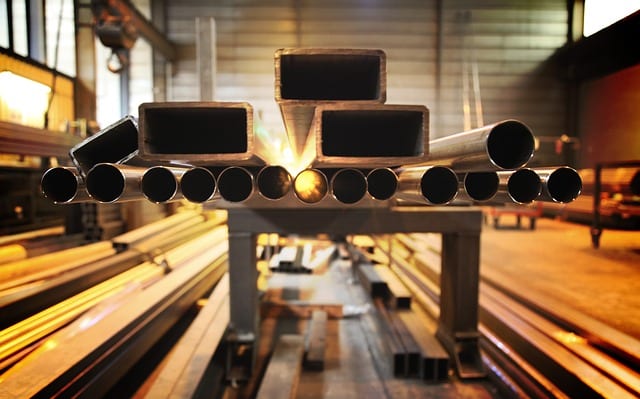
Manganese ore is a vital and irreplaceable element in carbon steel production. As manganese is part of a long value chain, demand for manganese ore is ultimately driven by changes in demand from end users, primarily steel producers. Outside of its steel applications, manganese is quietly becoming a significant contributor to the electric vehicle market. Industry body the World Steel Association forecasts short term steel demand (2021-2022) to grow by 5.8% and with long term growth forecasts (2020-2025) estimated at ~2% per annum, the market fundamentals supporting the acquisition remain competitive. Despite sporadic small localised waves of Covid-19, Chinese economic activity has not been as gravely affected by the pandemic and with other advanced economies such as the US, implementing various infrastructure backed stimuli packages to boost and support job creation, the manganese ore demand outlook is expected to remain healthy largely due to rebounds in major steel using sectors such as the construction and automotive sectors.Ntsimbintle’s other assets includes a 9 percent shareholding in Hotazel Manganese Mines, Mokala Manganese, Khwara Manganese and Ntsimbintle Marketing and Trading. These assets enable full integration into the manganese value chain.