


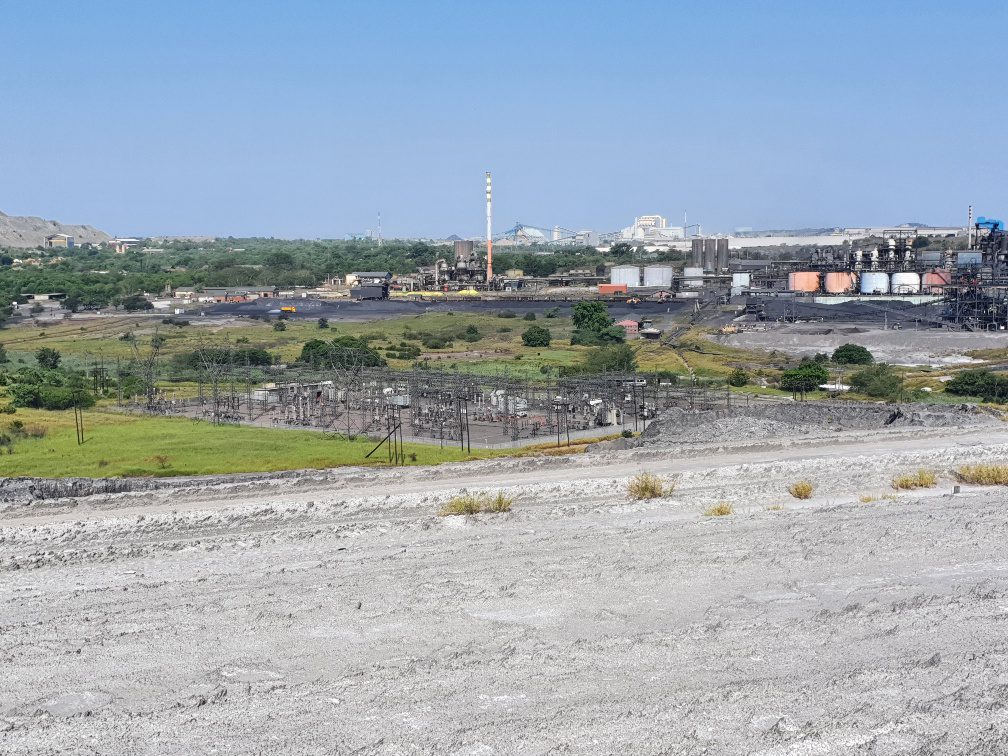
Rainbow Rare Earths has released an updated technical report on the processing flowsheet to extract rare earth elements from the phosphogypsum stacks at the company’s Phalaborwa Project in South Africa.
The flowsheet has been developed in parallel with K-Technologies (K-Tech) and represents a breakthrough in allowing for the economic extraction of rare earth elements from phosphogypsum, which has historically proven to be challenging. “We are delighted to provide technical detail which emphasises the breakthrough that has been delivered by Rainbow, in conjunction with our partners K-Tech, in delivering a processing flowsheet to economically extract rare earth elements from phosphogypsum,” commented George Bennett, Rainbow Rare Earths CEO. Compared to the initial processing options considered when work commenced, a number of key enhancements have been made, resulting in significant anticipated capital and operating cost savings for the Phalaborwa Preliminary Economic Assessment (PEA) which is currently being finalised.
Critical steps to follow
As detailed in the Technical Report, the flowsheet for the PEA will comprise the following key steps:- Phosphogypsum will be reclaimed hydraulically from the existing stacks and pumped to the processing facility removing soluble impurities prior to the leach process.
- A fluoride leach regime will be employed to remove fluoride from the gypsum stream, allowing rare earth grades in the pregnant leach solution to be maximised and producing reagents from the fluoride for use elsewhere in the processing circuit, reducing operating costs.
- The fluoride leached phosphogypsum progresses to a rare earth counter current sulphuric acid leach system for the extraction of the target rare earth elements. This allows for successful recycling of the various acid streams to optimise the overall processing costs.
- A rapid consolidation process for the rare earths in the pregnant leach solution allows the rare earths to be concentrated with primary impurity rejection. This process replaces the originally anticipated nano filtration system, which significantly improves the overall acid recycling, thereby reducing operating costs.
- The rapid consolidation process feeds the downstream continuous ion exchange and continuous ion chromatography processes to deliver separated rare earth oxides. The flow rates to these processes are considerably lower than anticipated using nano filtration techniques resulting in significant capital and operating cost savings.

