By Wynand Marx*
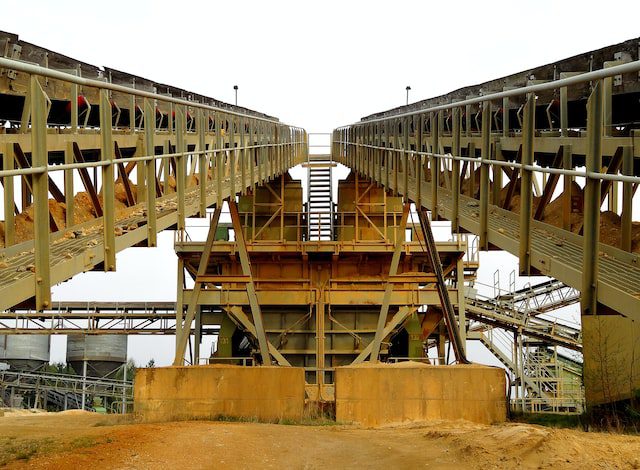
Conveyor belts used in underground and above ground mining operations to transport bulk solids can often be a leading cause of fire and consequent fatalities and injury. Examples include a tragic incident caused by a burning underground conveyor belt in 2018 where six miners lost their lives and 48 were injured at Palabora Copper Mine in Limpopo Province. More recently, in September 2022, a conveyor belt between Kriel colliery and the adjacent power station caught fire – thankfully, in this case, without injury or extensive damage. Respect for human life and the well-being of employees and their families is entrenched in the South African mining industry, an industry that places great effort to identify hazards and minimising the risks faced daily by its workforce. However, the fact that lives continue to be lost highlights that risk management systems are not always as effective as they are intended to be and that fire prevention measures, particularly in underground mines, often fail to thoroughly address all aspects of known risk. Conveyor belt fires are largely containable, and the Department of Mineral Resources and Energy (DMRE) recently issued an instruction to the South African mining industry to conduct risk assessments and fire scenario modelling of their underground belt systems to ensure that appropriate plans and measures are in place to prevent and safely deal with belt fires.Fire simulation software
In line with the instruction, mines are obliged to model fire conditions at the drive end of a conveyor or at the centre of a transfer point. Software is available to do this with the additional ability to simulate the entire ventilation network including the effect, propagation and behaviour of a mine fire. Programs not only simulate heat generated during all fire phases, build-up, full fire and dampening, but also accurately indicate downstream effects of increased temperature on airflow patterns.Toxic gas released during a fire such as carbon monoxide, carbon dioxide and other noxious fumes can also be modelled. Knowing the type and quantity of fuel consumed by the fire software can simulate the quantity of gas released based on specified parameters to track concentrations throughout the mine network.