


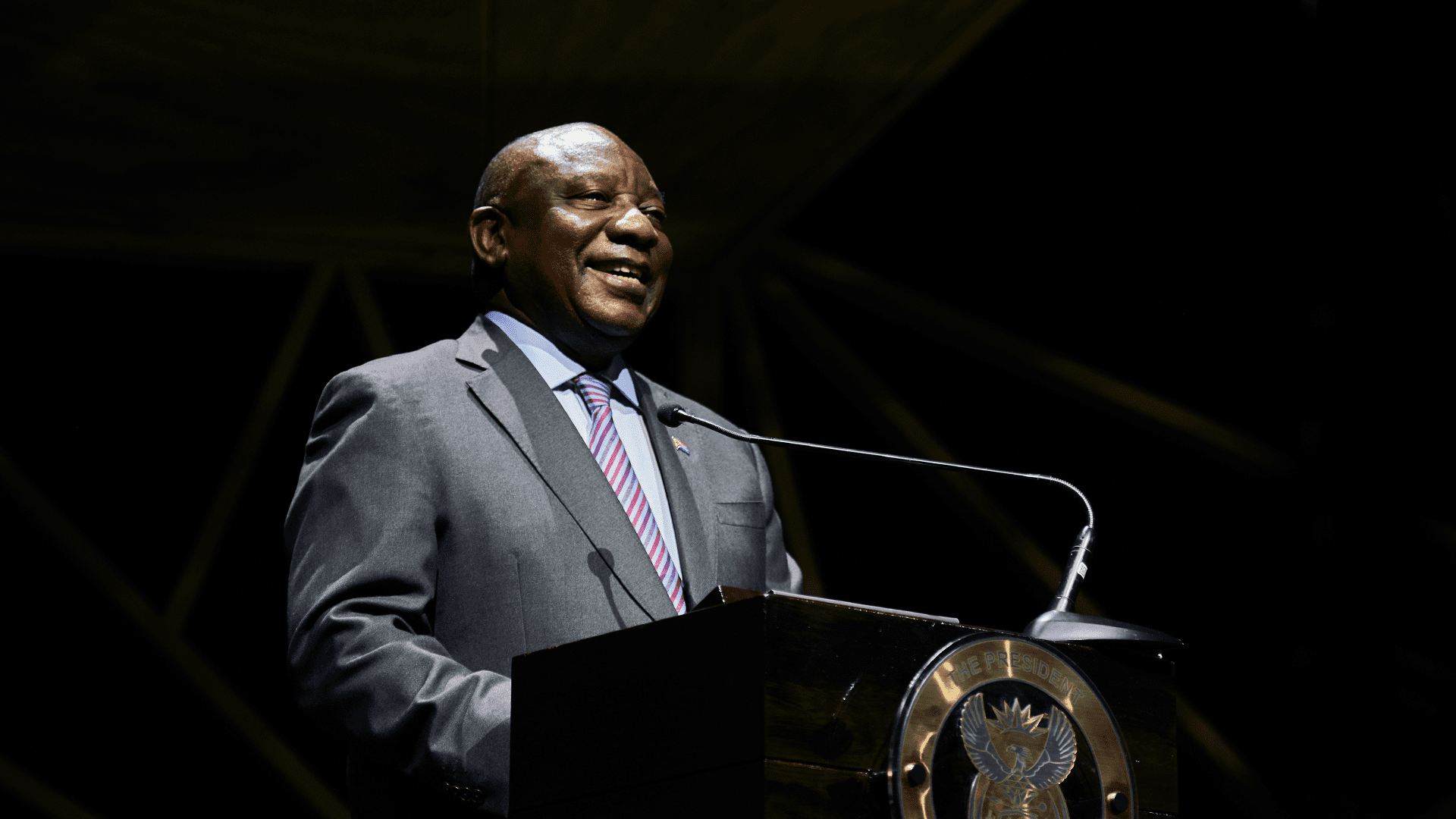
The Minerals Council South Africa welcomes the interventions into removing obstacles curtailing mineral exploration, mining and exports that President Cyril Ramaphosa outlined in his presidential address at Investing in African Mining Indaba 2023.
It stressed that urgency on key structural reforms in energy and transport logistics to truly unlock the sector’s potential. “President Ramaphosa’s speech hit all the right notes and he has touched on the key points that are constraining the mining industry that the Minerals Council has identified, but it is absolutely vital that we see real urgency on implementing the interventions and measures he outlined. We need action. The time for talking has long passed,” said Roger Baxter, Minerals Council CEO. Among the interventions, President Ramaphosa mentioned the purchase and implementation of an off-the-shelf cadastral system to modernise and improve the processing of prospecting and mining rights. The prevailing system has resulted in a backlog of thousands of rights that are unprocessed in the Department of Mineral Resources and Energy (DMRE), severely constraining South Africa’s exploration and junior mining development, particularly in minerals needed for green energy applications. He also said there were fundamental and significant reforms of the energy market to encourage and streamline private sector participation in electricity generation. The government wanted the private sector to enter the rail and port sector which is operated by state-owned Transnet. The Minerals Council is a willing and constructive partner in talks with the government and its state-owned entities to find solutions to unlock the economy and is encouraged by President Ramaphosa’s plea for the private sector to step forward to find sustainable and innovative ways to resolve the country’s economic bottlenecks. “We are encouraged by the government’s recognition that it must buy a proven, off-the-shelf cadastral system rather than developing a bespoke system. It’s key to bringing in new entrants into the sector. We would encourage the DMRE to resolve the backlog of thousands of rights in the next six months rather than in the medium term,” he said.Unbundling of Eskom
The separation of Eskom into its constituent parts, particularly the creation of a separate state transmission company, is critical to ensure investment in expanding the grid and allowing private sector’s energy projects, which total 9GW and are valued at more than R160 billion, are commissioned quickly to address South Africa’s crippling electricity shortage. “It needs to happen now otherwise we cannot bring the energy projects on stream that we want to develop. It is important for our members to reduce their carbon exposure and protect their markets.” Eskom CEO Andre De Ruyter has said Eskom needs up to 6GW of new energy generation to give the utility the space to conduct maintenance of its aged fleet of coal-fired power plants supplying 80% of its electricity. The mining industry has 6.5GW of energy projects, which will take pressure off Eskom, reduce its exposure to carbon-based electricity, and ensure reliable, lower-cost sources of energy.The Minerals Council is in regular talks with Eskom to provide assistance, data and advice so the mining and minerals processing industries are not damaged and that employees are safe.
Private sector involvement on the railways, particularly the main commodity corridors, as well as operating ports will be a game-changer for the economy, said Baxter.
