


Shosholoza, perhaps South Africa’s most beloved song – sung enthusiastically from sporting events to political rallies – originated from Zimbabwean workers making the train journey south to work in the mining industry, writes SAPA-AFP.
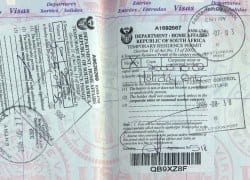
Since the 1880s, when Johannesburg began its renaissance with the discovery of major gold deposits, this has been a city, and a country, of immigrants. Congolese, Somalis, Nigerians, Mozambicans and, above all, Zimbabweans, flock to the ‘City of Gold’ in search of their own little slice of the riches of the Highveld, as the surrounding region is affectionately known. Inflow vs. unemployment However, the South African authorities, wary of the inflow of immigrants amid a brutally high unemployment rate, have begun tightening visa regulations and closing loopholes. New rules quickly ratcheted into place shortly after the general election in May have caught scores of expatriate workers off guard. These strict new immigration laws have sparked confusion and panic among foreign residents in this ‘Gateway to Africa’, and forced 250 000 Zimbabweans to decide whether to return home. Disputed Zimbabwe electionsThe majority of these Zimbabweans fled the political and economic crisis at home after disputed elections in 2008. They were granted special permits that expire later this year.
According to the new laws, if they want to continue living in South Africa, they will have to return home to apply for extensions. “Sending 250 000 back just to extend their permits does not make sense,” said Bernard Toyambi, the paralegal officer of the non-governmental organisation the People Against Suffering, Oppression and Poverty. Mass deportation fears “How will they keep their jobs? How long does the process take?” questioned Toyambi. The worst fear is mass deportations if no special political deal is secured. The rules have ‘created such an element of uncertainty, uneasiness among the people,” said Gershon Mosiane, an immigration lawyer and president of the Forum of Immigration Practitioners (FIPSA). South Africa has promised to make a decision on the status of the 250 000 Zimbabweans in question, with immigration chief Apleni Mkuseni saying they should “wait patiently and with no panic”.
